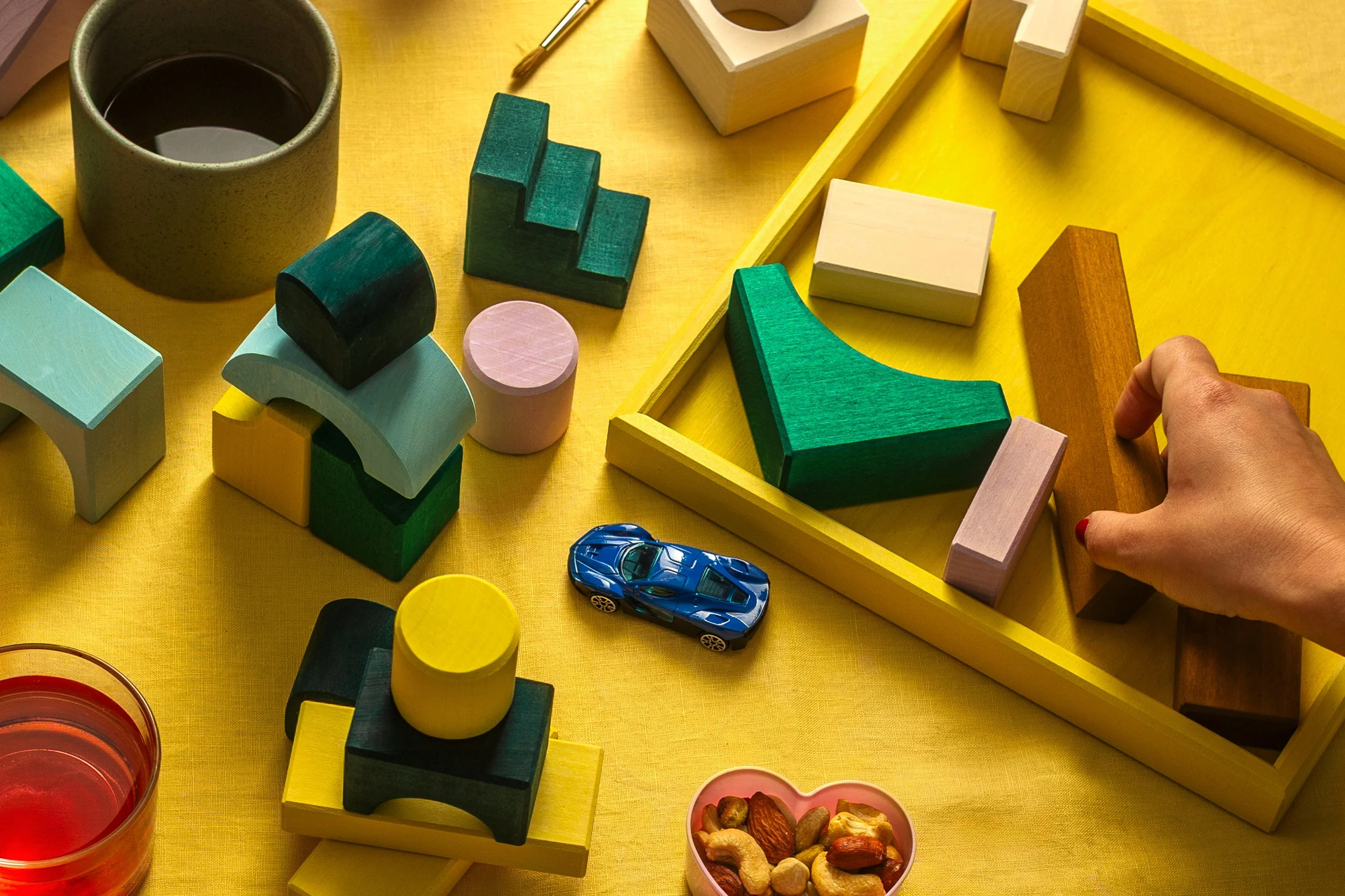
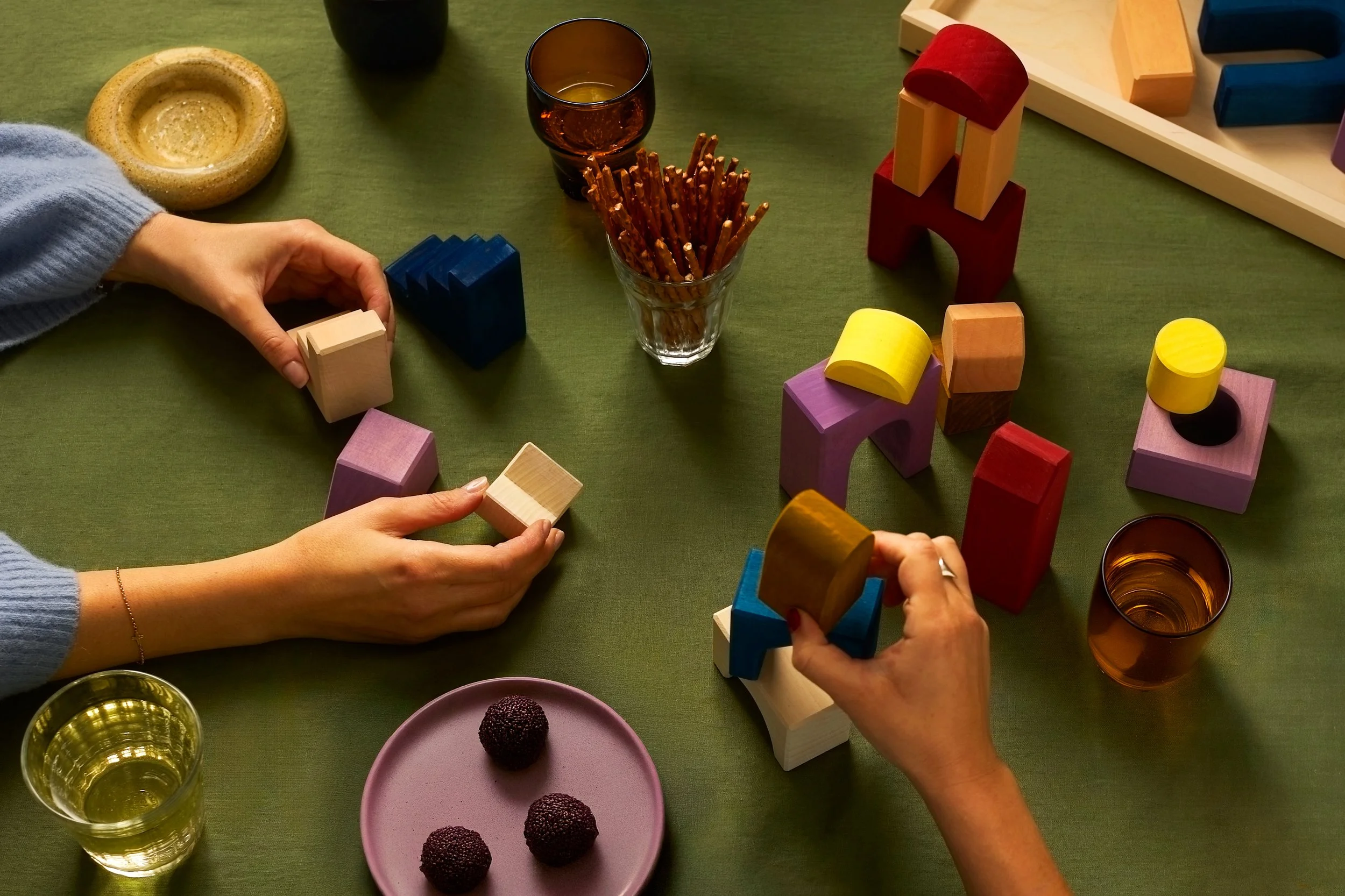
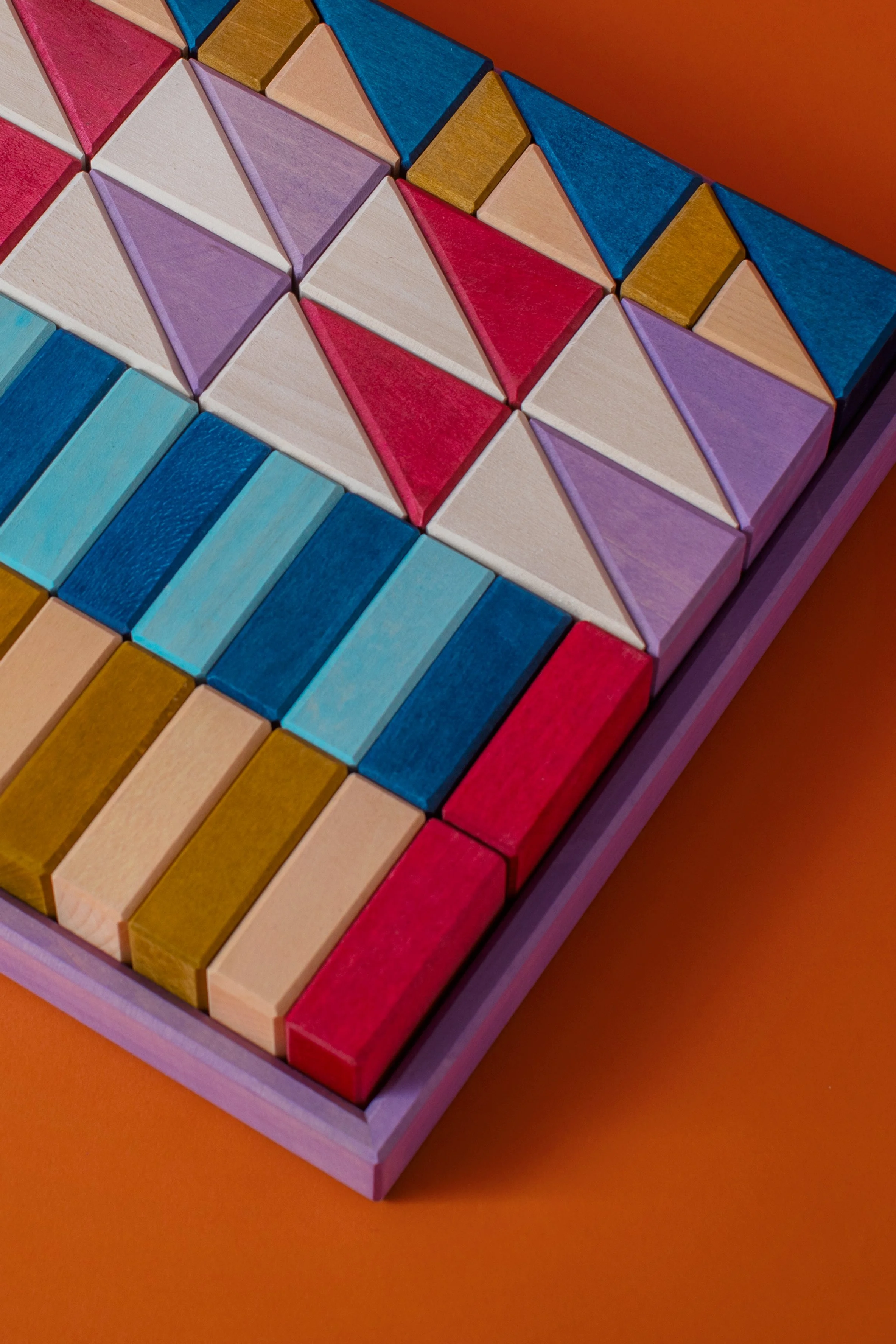
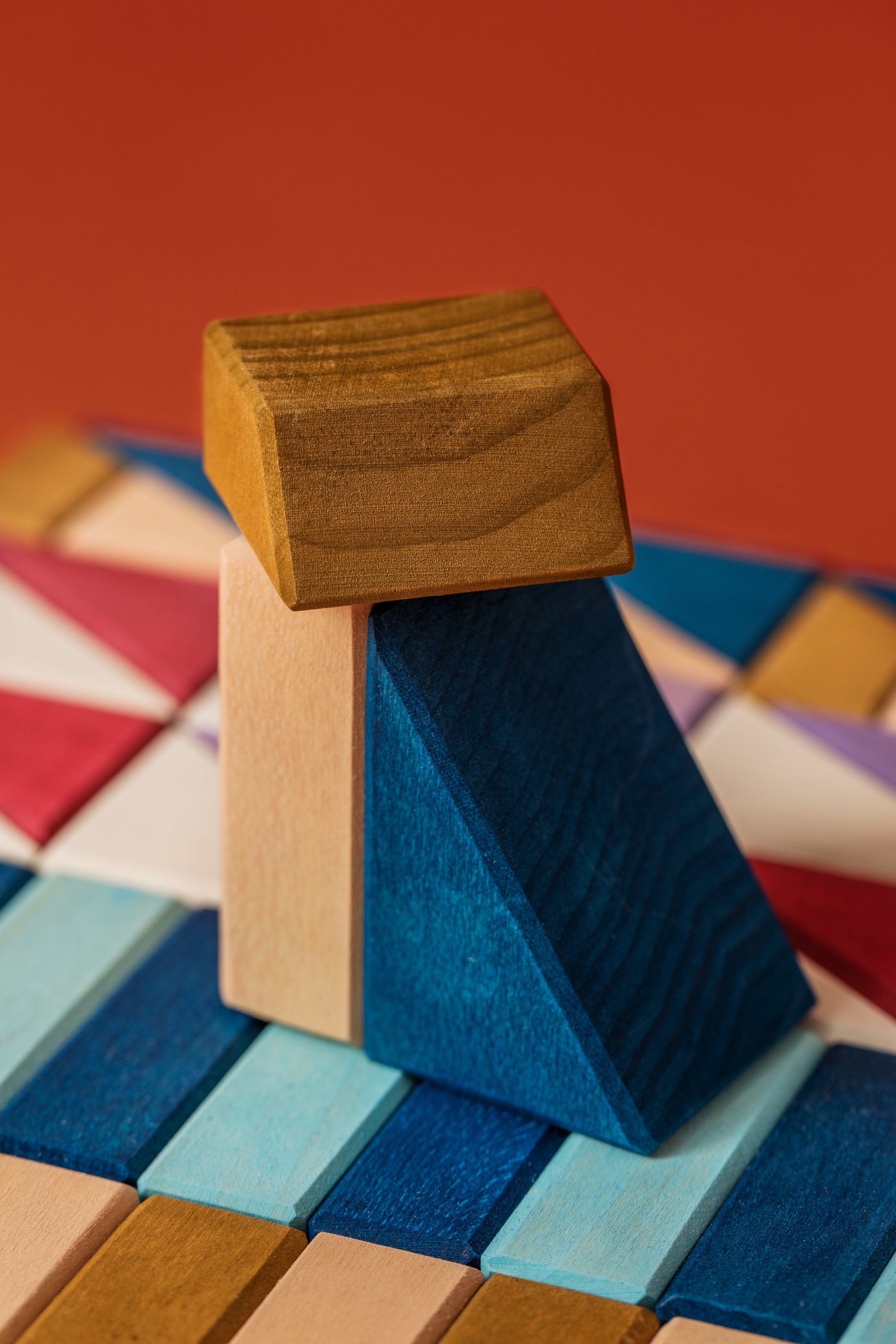
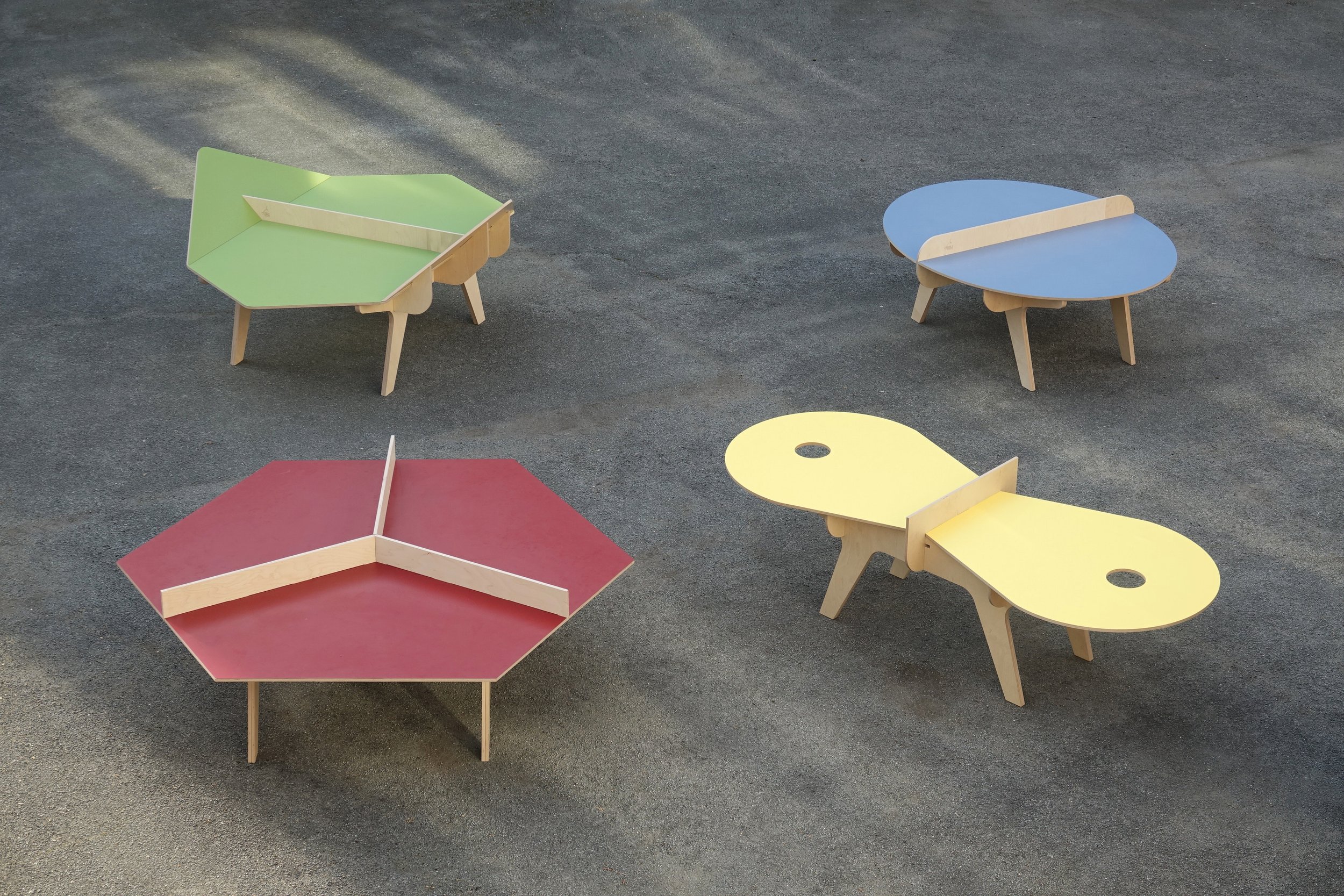
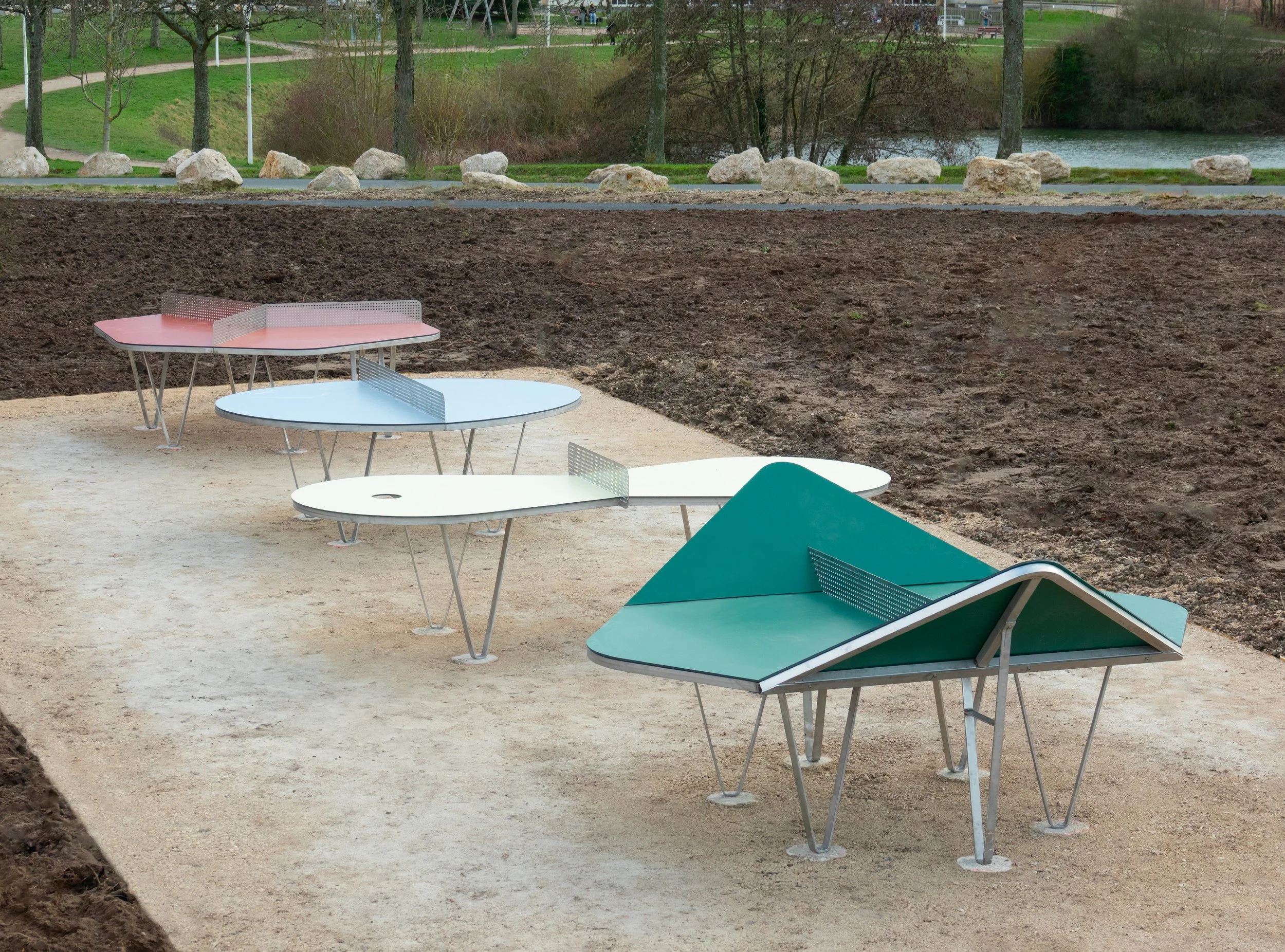
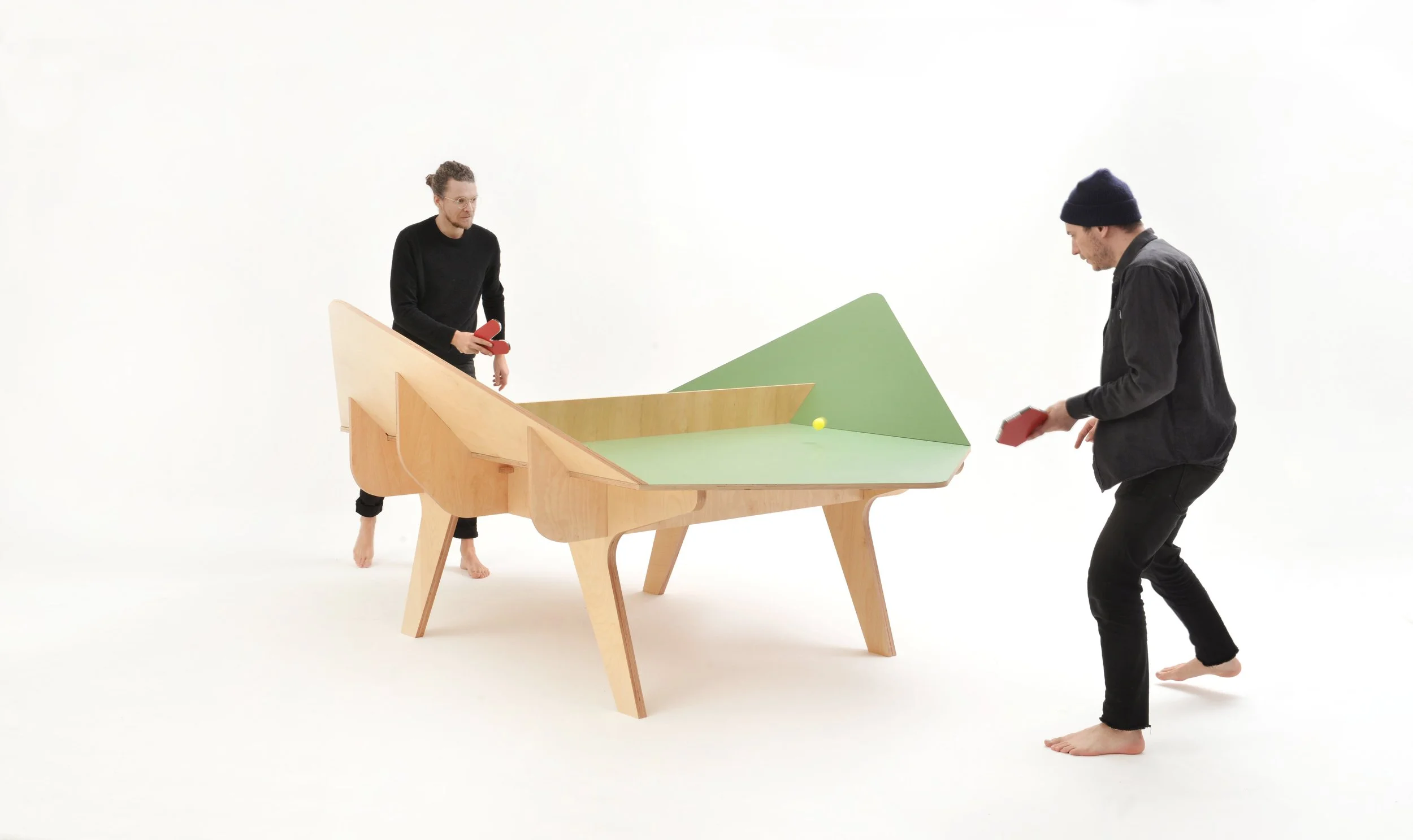
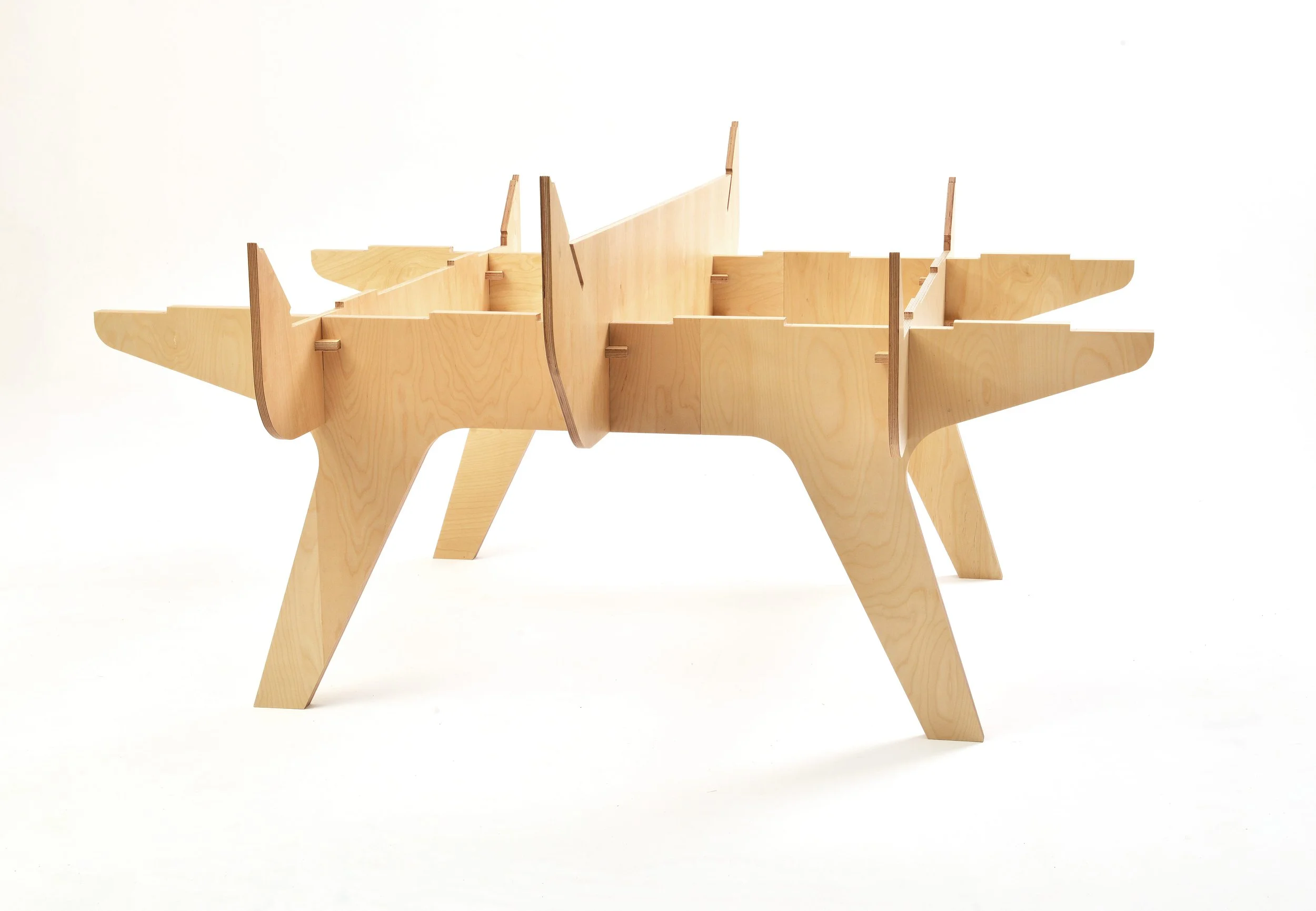
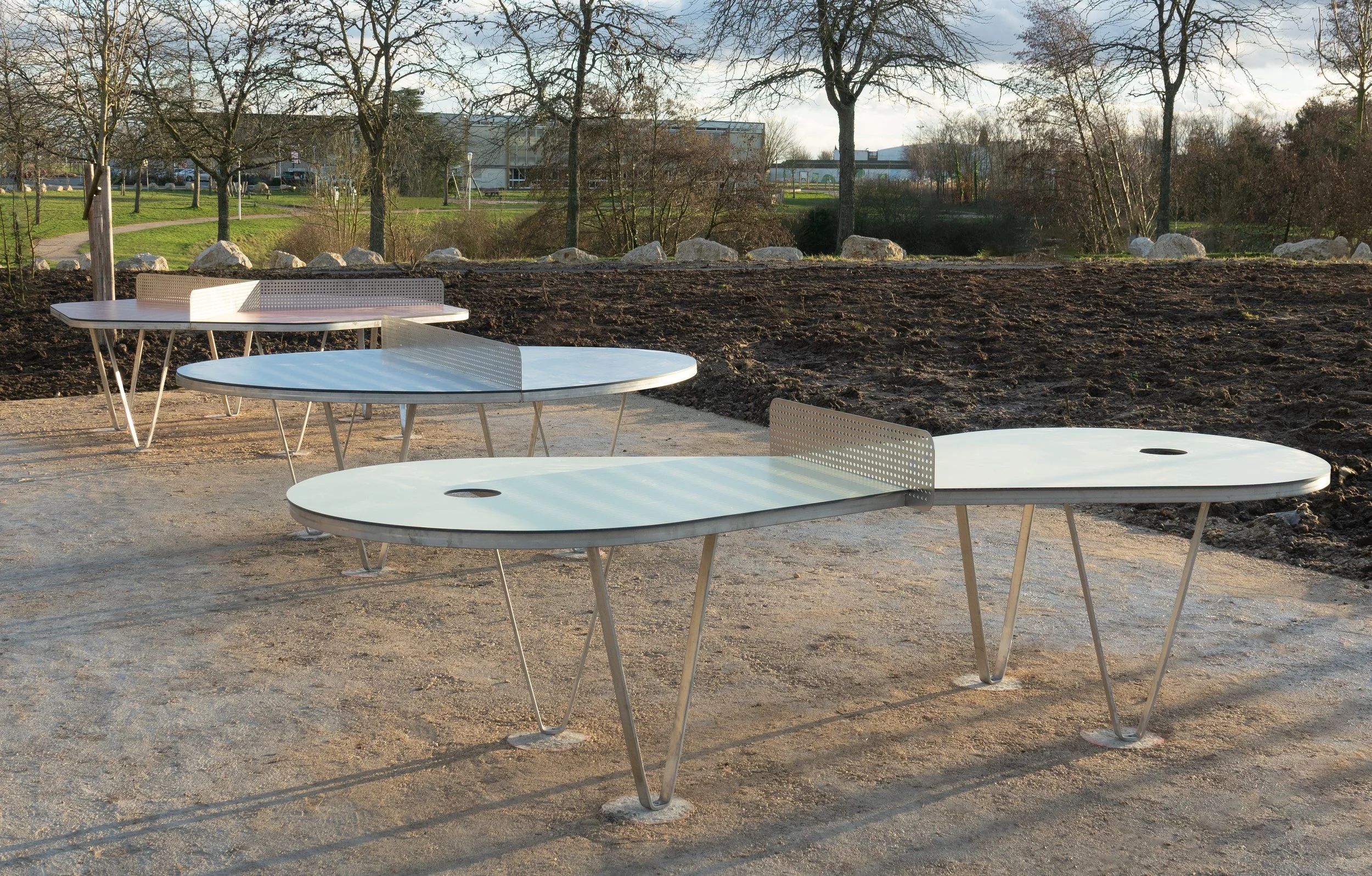
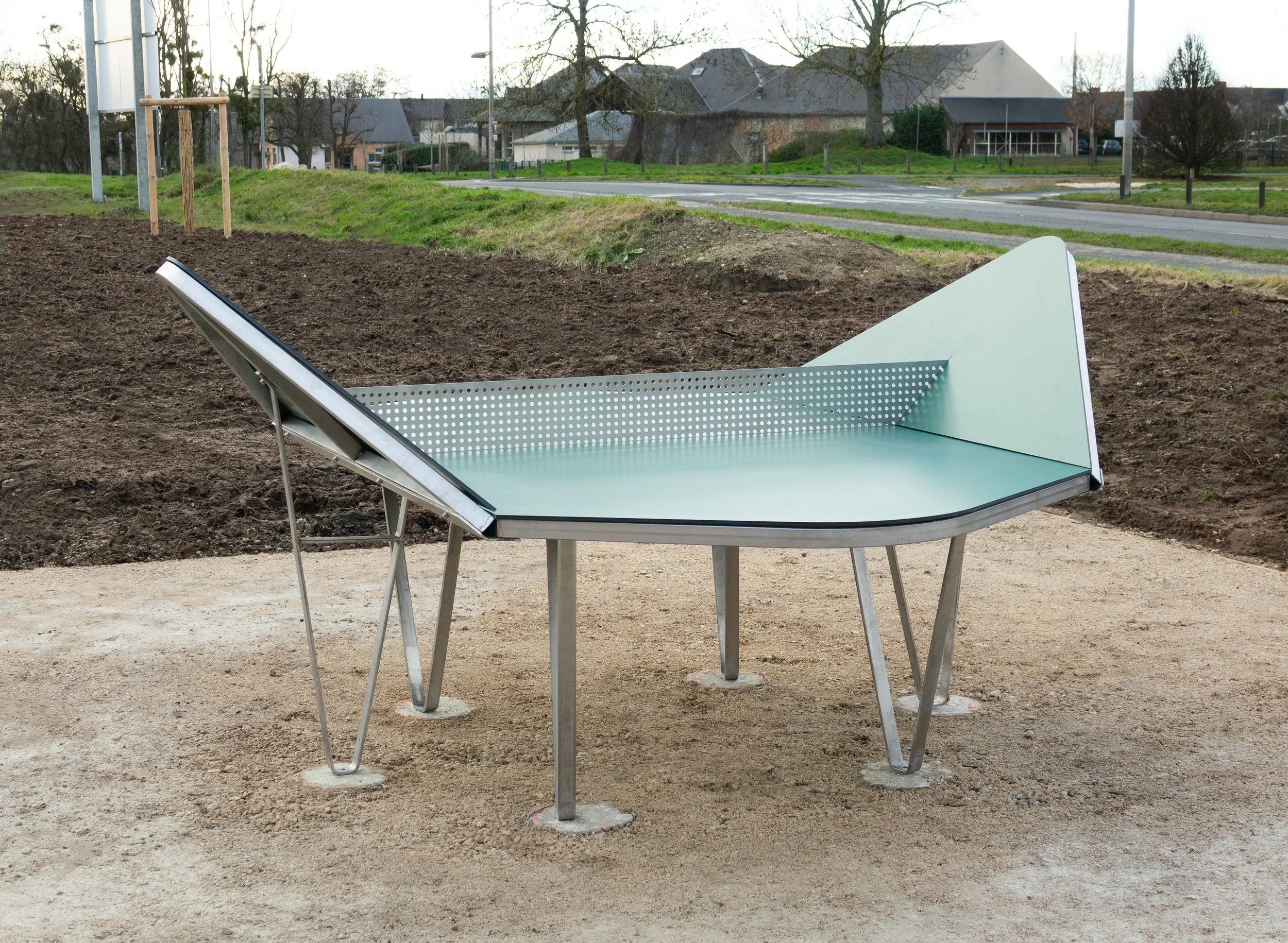
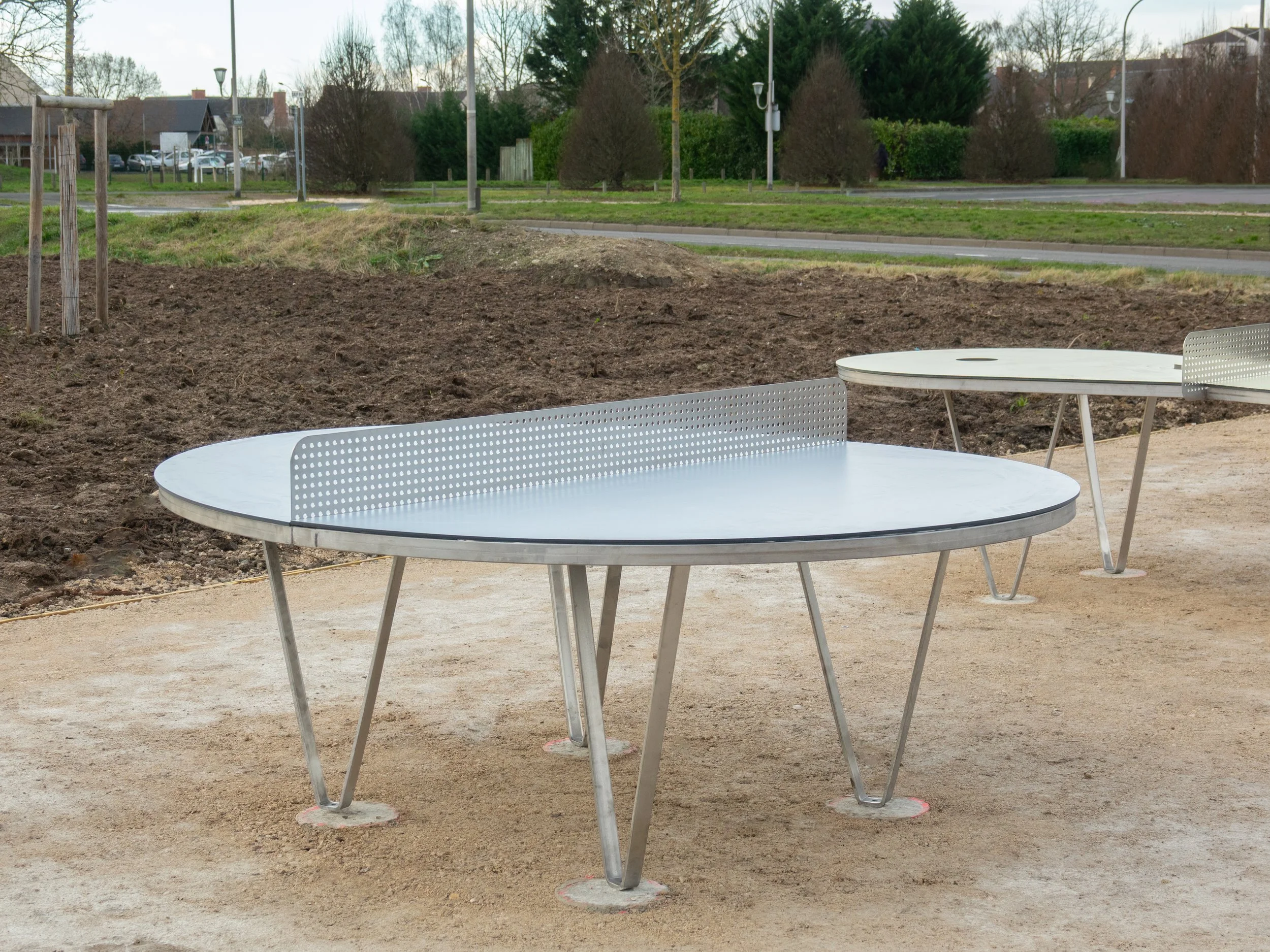
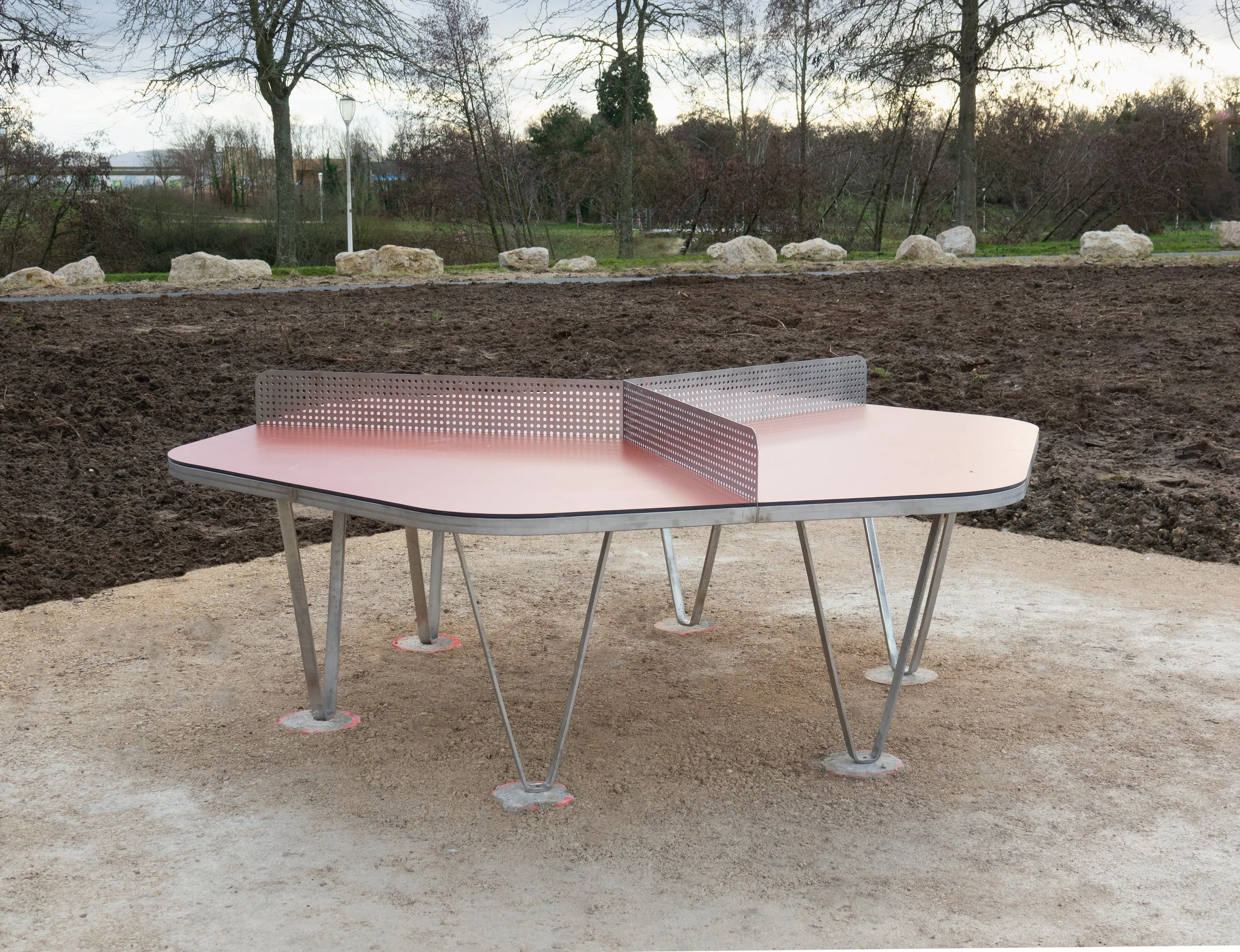
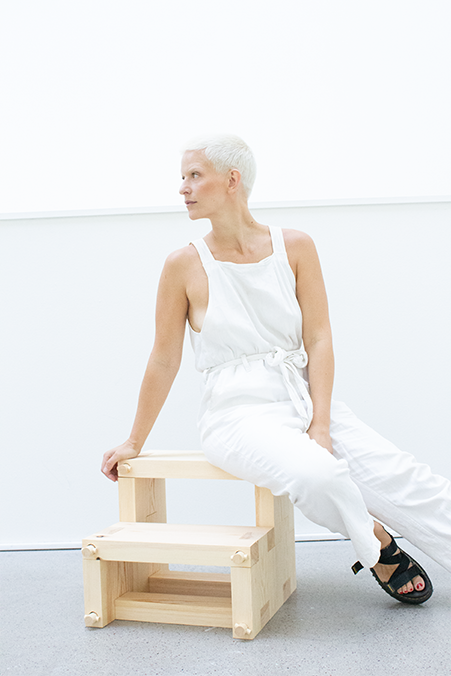
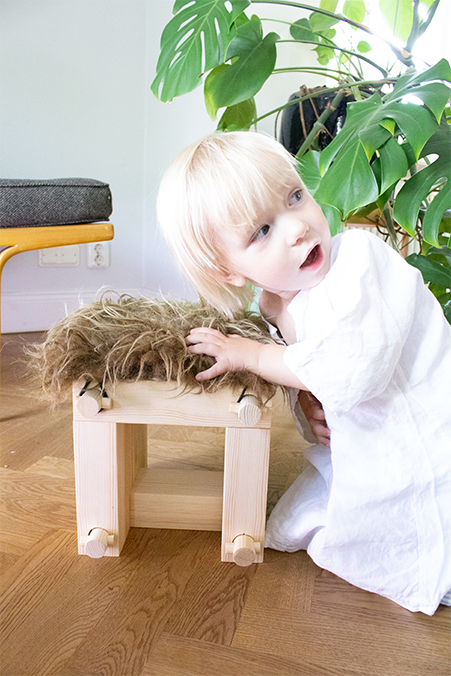
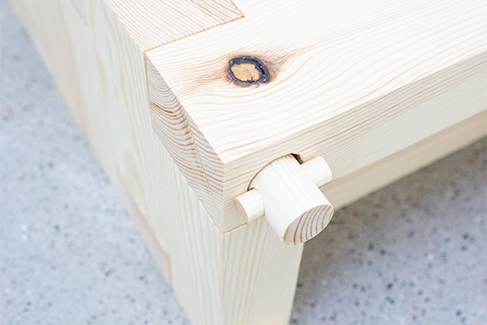
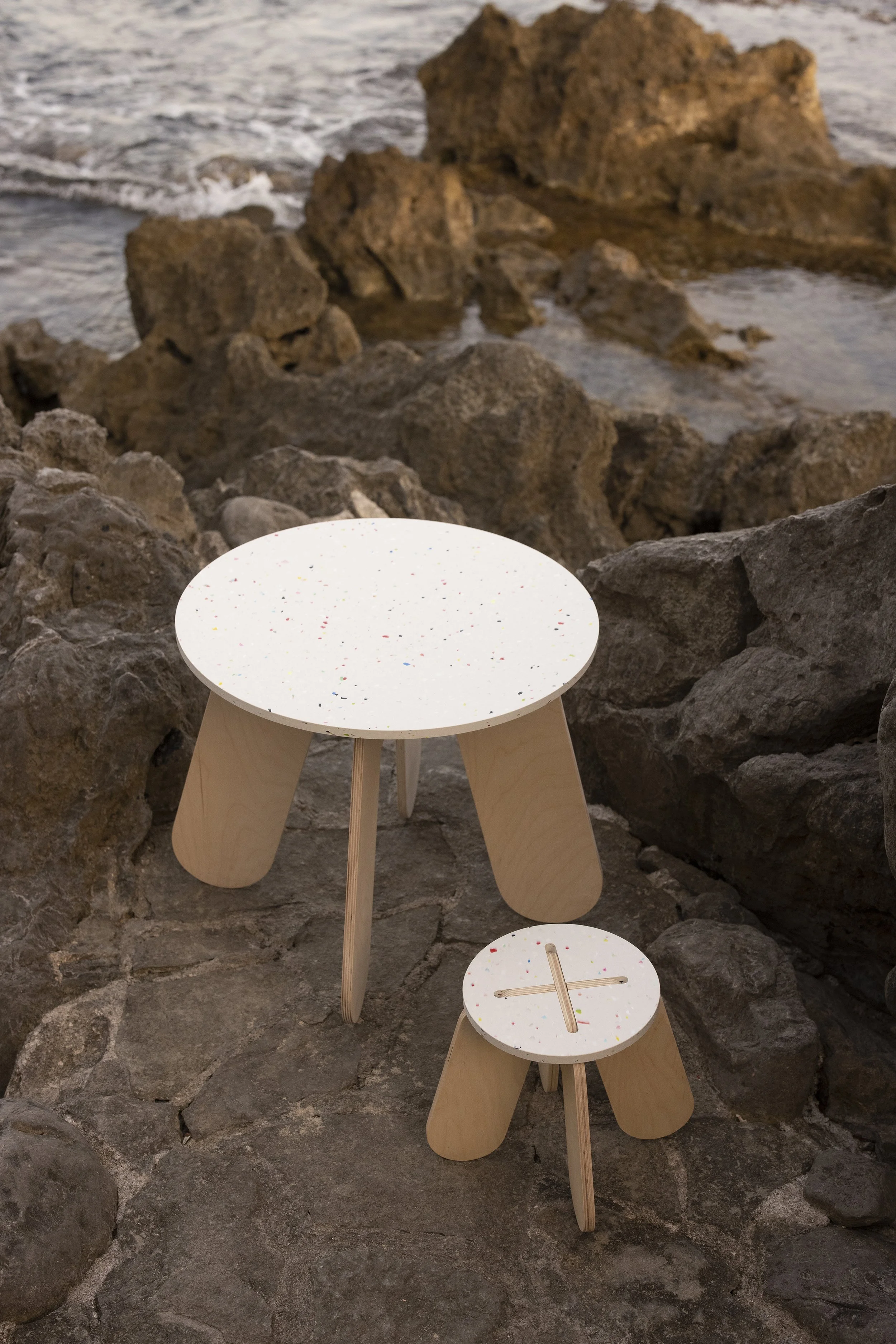
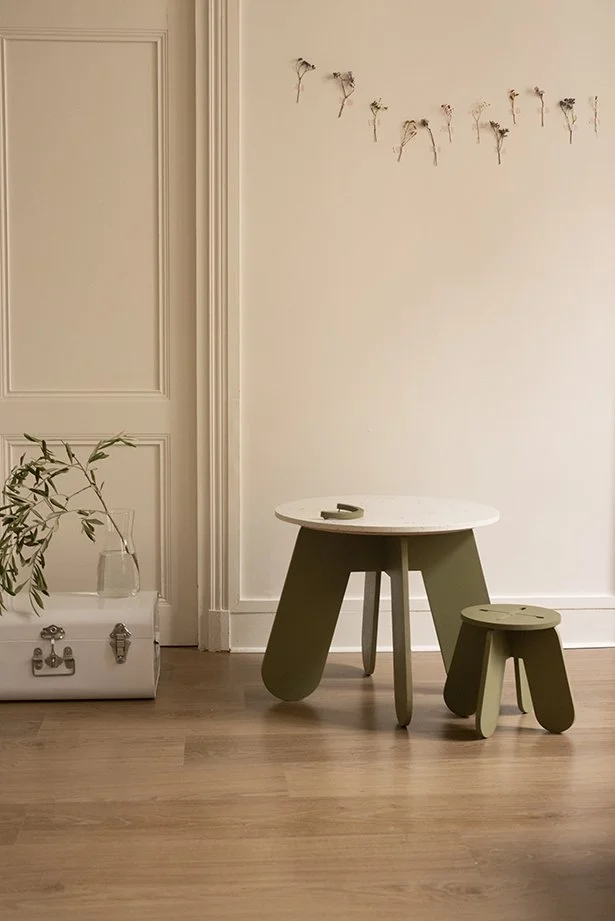
Among the many projects we discovered during the Salone, Re-Edit Lab immediately stood out for its thoughtful approach to sustainability, material research, and social interaction.
Inspired by the vibrant street life of Hong Kong, the project reimagines the traditional public chess table through a contemporary design lens, transforming it into a space that encourages connection, conversation, and community engagement.
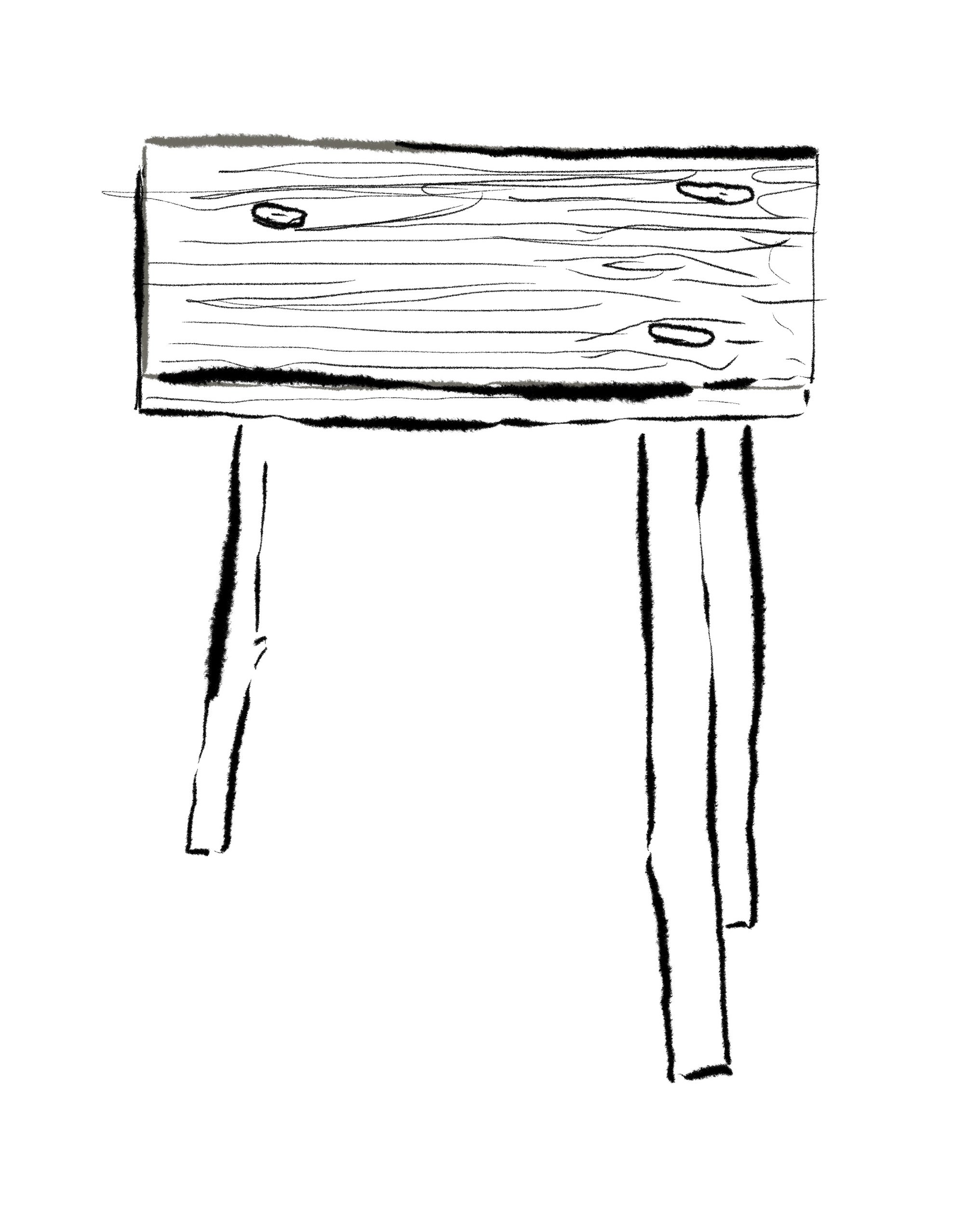
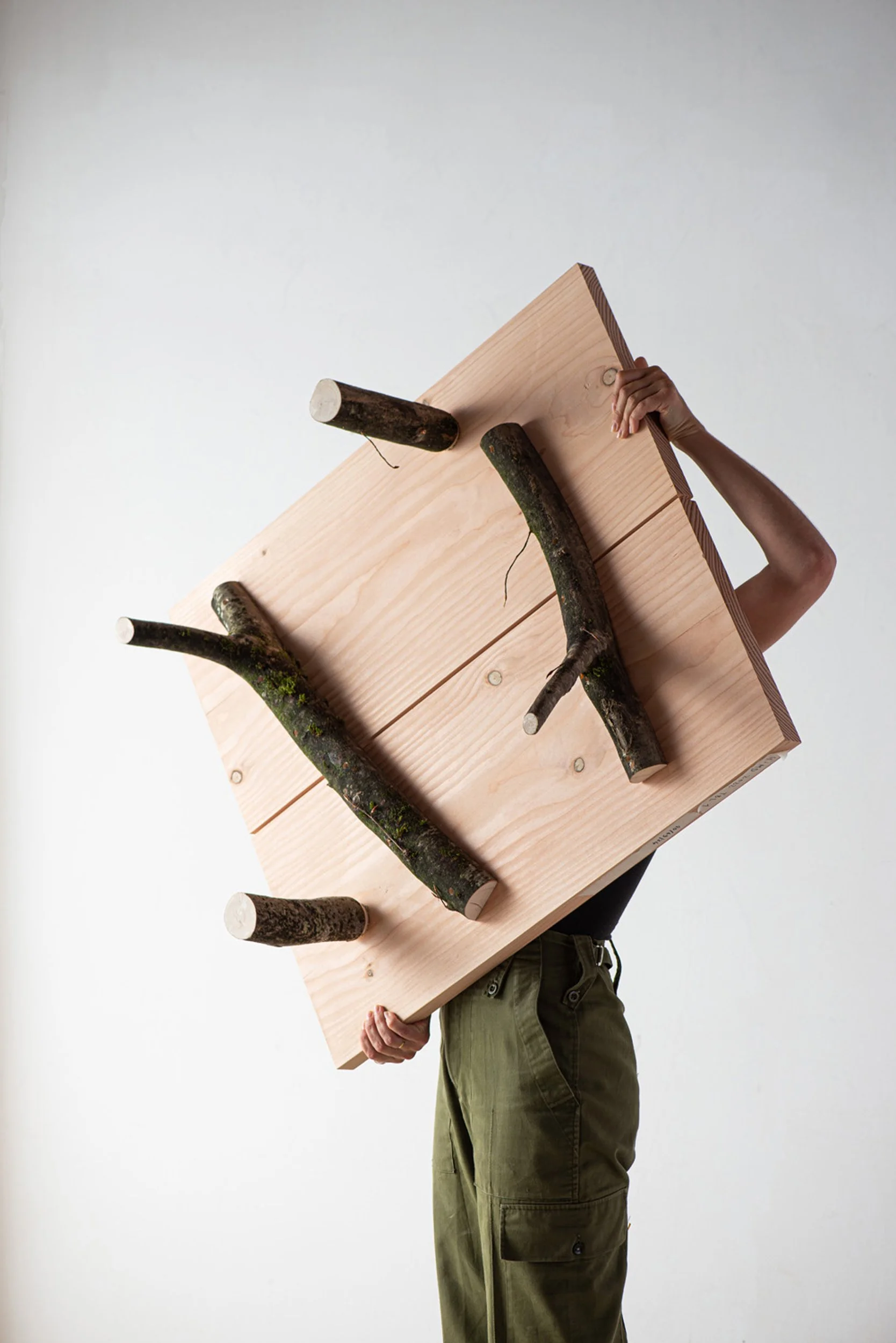
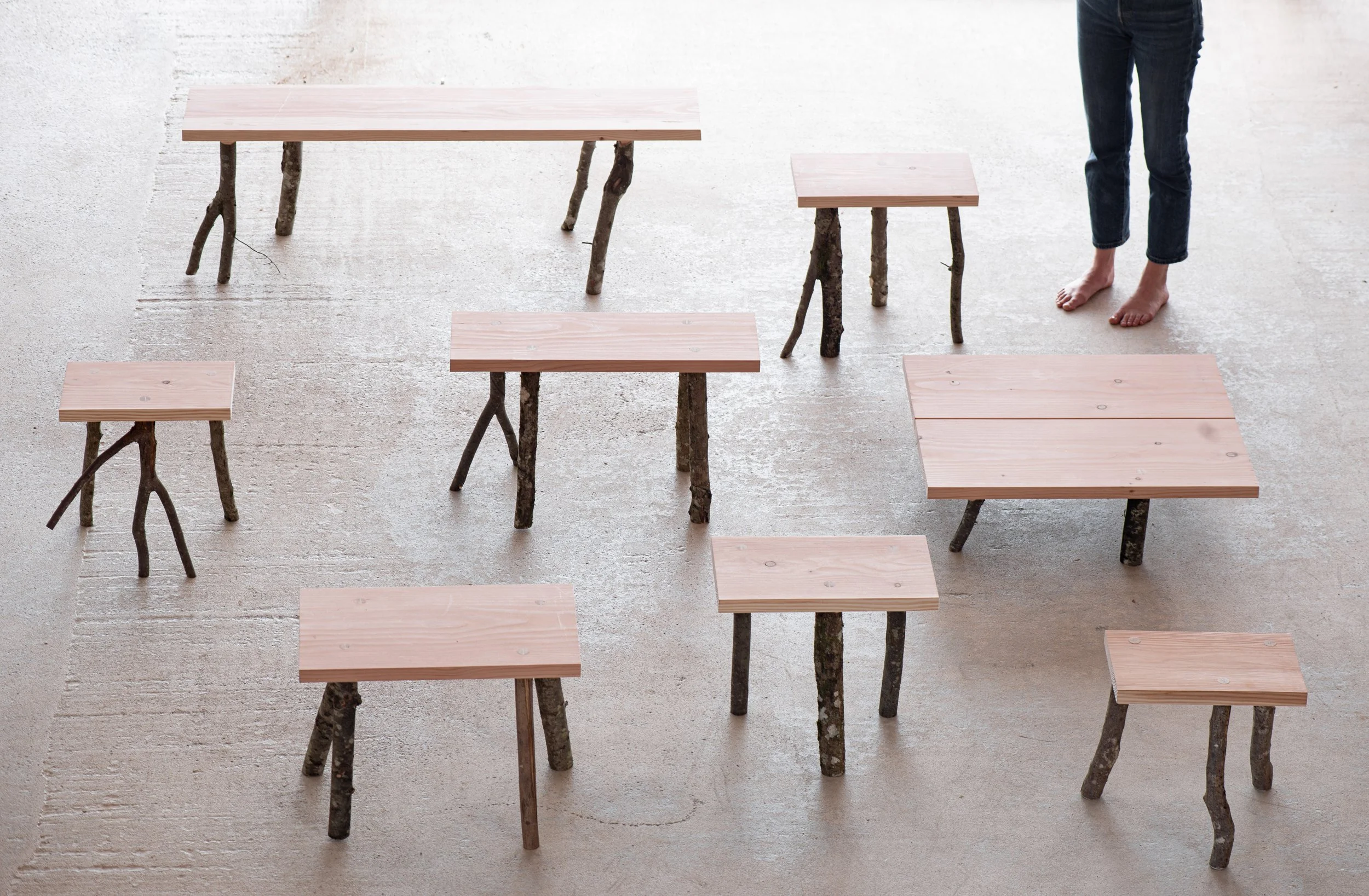
What makes the project particularly compelling is its innovative use of recycled and circular materials. The table is crafted from bamboo and repurposed tea waste, giving a second life to everyday materials through a process that combines craftsmanship, experimentation, and sustainable design principles.
Re-Edit Lab represents a new generation of design projects that go beyond aesthetics, placing equal importance on human relationships, environmental responsibility, and material innovation. It demonstrates how design can become a catalyst for social exchange while addressing the urgent need for more sustainable production methods.
Projects like this remind us that design has the power not only to create meaningful connections between people, but also to uncover value in what is often overlooked or discarded. By transforming waste into a resource and public furniture into a platform for interaction, Re-Edit Lab offers an inspiring vision of what the future of socially conscious and environmentally responsible design can look like.
HÉLIO CHAIR BY DRUGEOT MANUFACTURE
Among the many inspiring pieces discovered during this year’s Salone del Mobile, the Hélio Chair by Drugeot Manufacture immediately caught our attention for its refined balance between craftsmanship, comfort and contemporary design. Designed with soft upholstered seating and a beautifully sculptural wooden structure, Hélio perfectly reflects the poetic and architectural language of the French maison. Its elegant lines and warm materiality make it a versatile piece, ideal for sophisticated dining spaces as well as refined contract interiors.
What we especially loved is the dialogue between solid wood and textile: a combination that gives the chair both visual lightness and a strong decorative identity.
Faithful to the philosophy of Drugeot Manufacture, Hélio celebrates sustainable production, timeless aesthetics and the excellence of French craftsmanship — values that continue to inspire the world of contemporary interiors.
A chair designed not only to furnish a space, but to bring character and harmony into everyday living.
DISCOVER WOLLO FAMILY: SUSTAINABLE PLUSH TOYS MADE WITH LOVE
At Unduetrestella, we are always looking for brands that combine design, sustainability and emotional value - and Wollo Family is exactly that.
Created by two friends, Martine and Malu, Wollo Family transforms vintage wool blankets into handmade plush toys full of personality and warmth. Each soft toy is carefully crafted in their small atelier using recycled materials, making every piece unique and environmentally conscious.
More than simple stuffed animals, Wollo plush toys are designed to become lifelong companions. From adorable giraffes to playful dinos, every Wollo is soft, oversized and intentionally imperfect - a beautiful alternative to mass-produced toys.
What makes Wollo truly special is its zero-waste philosophy. The brand gives new life to existing fabrics, reducing textile waste while creating timeless cuddly toys children can grow up with.
CARPET CHAIR BY SOFIA VENETUCCI X VIRÔ
Fuorisalone always leaves us with new design obsessions - and the Carpet Chair by Sofia Venetucci x Virô is definitely one of them.
Presented during Milan Design Week 2026, this experimental chair transforms reclaimed carpet remnants from temporary installations into a bold and sculptural seating piece. By layering leftover carpet to build both the seat and backrest, the project redefines the concept of upholstery in contemporary furniture design.
The exposed steel structure, visible screws and raw construction details become part of the aesthetic language, celebrating material reuse rather than hiding it. Developed by Sofia Venetucci in collaboration with Virô, the project gives a second life to scenographic waste through an innovative and highly tactile approach.
A perfect example of circular design, material experimentation and contemporary craftsmanship - exactly the kind of discovery we love bringing back from Fuorisalone.
Photo credits go to Janaina Cavalli.
UUTiles BY UNKNOWN UNTITLED
We love brands that transform everyday objects into functional pieces of art - and UUTiles by Unknown Untitled does exactly that.
Designed and handcrafted in Normandy, UUTiles reimagines traditional ceramic tiles through a contemporary and modular approach. More than simple wall coverings, these ceramic pieces combine design and function with integrated hooks and wall lamps.
Minimal, sculptural and highly versatile, UUTiles allows you to create personalized compositions that bring warmth, color and character into modern interiors. Every tile is carefully crafted with a focus on durability, craftsmanship and timeless aesthetics.
A perfect balance between utility and beauty - discover the world of UUTiles at Unduetrestella.
CARRY ON CHAIR BY JAKE LUNDER
Seen during Fuorisalone 2026, the Carry On Chair by designer Jake Lunder rethinks the concept of portable furniture through a minimal and intelligent approach to contemporary living.
The project combines functionality, mobility and sculptural simplicity into a lightweight folding chair designed to move effortlessly between spaces. Inspired by travel culture and compact living, the chair transforms everyday seating into an object defined by adaptability and clean architectural lines.
Its refined construction balances industrial precision with tactile materials, creating a piece that feels both practical and collectible. The Carry On Chair reflects a growing design interest in flexible objects that respond to changing lifestyles, temporary environments and nomadic ways of living.
At Fuorisalone 2026, the chair stood out for its understated elegance and smart engineering - a contemporary design piece where portability becomes part of the aesthetic language itself.
ÈREITÀ VASE BY ANTOINE SEGUIN
French designer Antoine Seguin explores the relationship between objects, territory and craftsmanship through the Èreità Vase, a sculptural piece produced by Emiceram where clay, rope and aluminum come together in a dialogue between tradition and contemporary design.
Presented at Isola Design District during Milano Design Week 2026, the vase is deeply rooted in the history of Marseille and Provence. Each material carries a cultural memory: handcrafted ceramic, maritime rope-making techniques and raw aluminum inspired by the region’s industrial past.
The ceramic body, developed in collaboration with local artisan EmiCeram, highlights technical precision through complex molding processes, while the untreated aluminum tube introduces a minimalist and architectural contrast. The result is an object that feels both poetic and functional — balancing craftsmanship, design and material research. With the Èreità Vase, Antoine Seguin transforms everyday materials into a contemporary narrative about heritage, adaptation and the evolving language of artisanal production.
SIMONE POST’S CANDY ART AT THE VENICE BIENNALE 2026
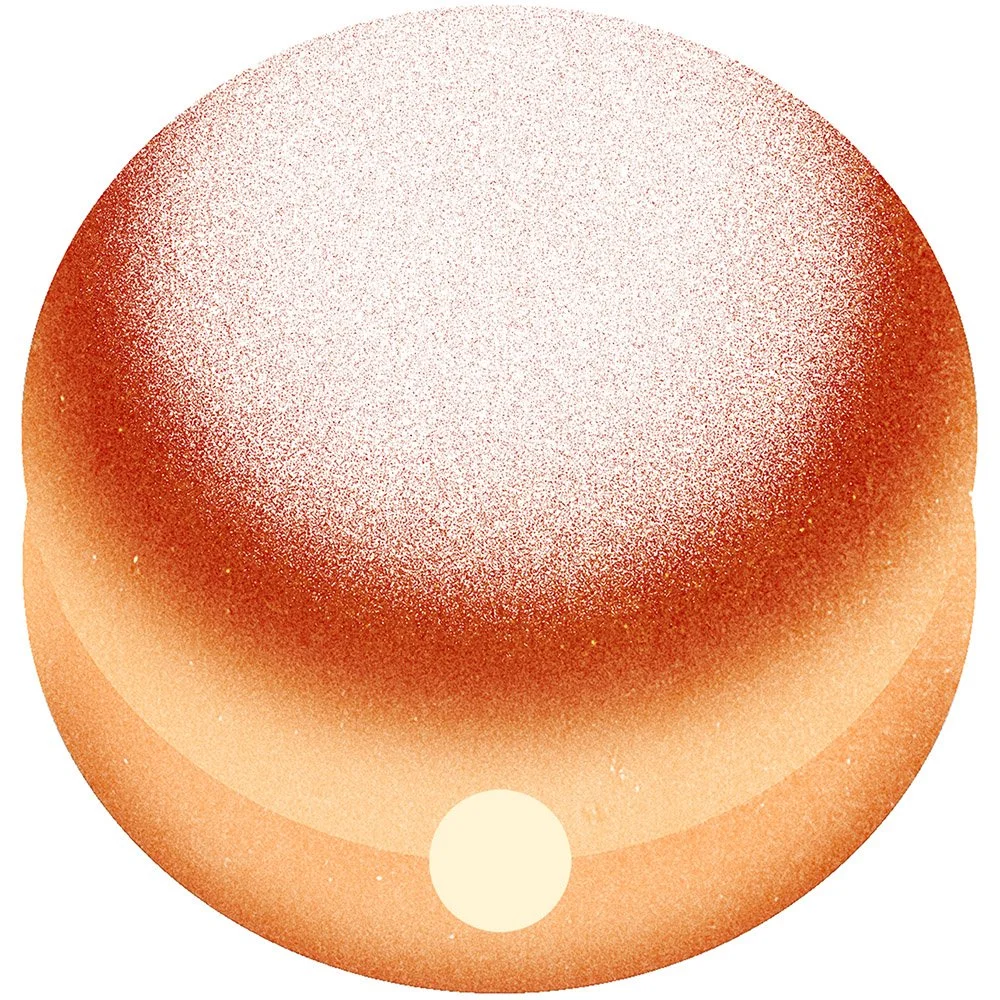
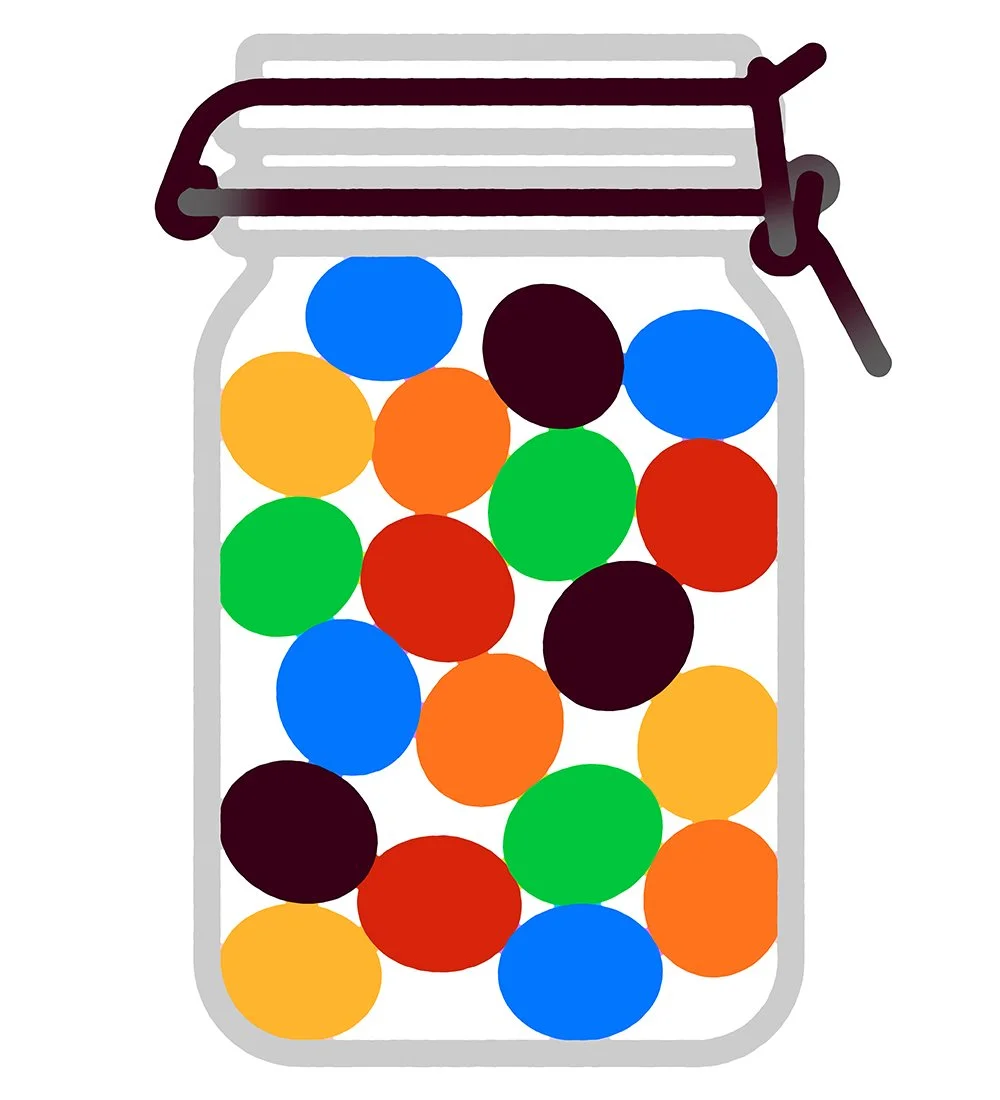
Artist Simone Post transforms candy into contemporary art, creating immersive installations that blur the line between sweetness, memory and impermanence. Her colorful works, developed through handcrafted compositions made entirely of candies and sugary materials, explore the fragile nature of joy and human experience. Her practice stands out for its playful yet sophisticated visual language, where everyday objects become large-scale artistic environments rich in texture, color and emotional impact.
During the 2026 Venice Biennale, Simone Post presents her new installation within Still Joy - From Ukraine into the World at Palazzo Contarini Polignac. The work fills the historic Venetian space with candy-made chandeliers and decorative elements that slowly change over time, reflecting on beauty as something temporary and delicate.
Through her candy installations, Simone Post creates a dreamlike atmosphere that captures visitors between wonder and reflection, turning sugar into a powerful artistic medium capable of speaking about resilience, fragility and collective emotion.
METALIA BY NATALIA CRIADO
During Fuorisalone 2026, Colombian designer Natalia Criado presented Metalia at Laboratorio Paravicini — a poetic collaboration blending handcrafted ceramics and sculptural metalwork.
Presented in the heart of Milan’s 5VIE district, the project explored the relationship between geometry, material contrasts and the ritual of the table through an immersive installation titled The Invisible Table.
The collection combined Laboratorio Paravicini’s hand-decorated ceramic plates with Natalia Criado’s brass and silver-plated metal objects, creating a refined dialogue between lightness and structure, softness and reflection.
Rather than presenting a traditional table setting, Metalia transformed tableware into a suspended and sculptural experience, where objects appeared to float in space and everyday rituals became contemporary design narratives.
With Metalia, Fuorisalone 2026 once again highlighted the growing connection between collectible design, craftsmanship and emotional storytelling — celebrating design as both function and artistic expression.
Photo credits Juliana Gomez
LE LABO 1.0 BY BAGUETTE STUDIO
During Milan Design Week 2026, Baguette Studio presented LE LABO 1.0 at Isola Design District — an experimental project exploring a new, more transparent and sustainable approach to design production.
At the center of the installation was a fully remouldable lighting system made from a 100% natural wax composition. Developed to resist heat up to 80°C and melt at 100°C, the material allows each lamp to be reshaped and reproduced endlessly, redefining the relationship between objects, production and waste.
Using a rotational moulding technique inspired by the plastics industry, every lamp was produced live on-site in just 45 minutes, directly in front of visitors. This process transformed manufacturing into an open and visible experience, highlighting the value of local and adaptable micro-production.
More than a lighting collection, LE LABO 1.0 imagined a circular ecosystem where every stage of the material lifecycle is designed to eliminate waste. Even the stainless steel base can be dismantled and reused through the OpenStructures system, reinforcing the project’s commitment to long-term sustainability.
Presented within the experimental atmosphere of Isola Design District, LE LABO 1.0 offered a compelling vision of future design: local, transparent, evolving and consciously made.
2 - 3 Photo credits - Guillaume Peretti Gaud
4 Photo credits - Samuel Van_Heijningen
5 - 6 - 7 - 8 Photo credits - Garaj
DRAGONS OF WALTON STREET AT MILAN DESIGN WEEK 2026
During Milan Design Week 2026, Dragons of Walton Street unveiled its new creative chapter with an exclusive presentation in Milan.
The event introduced the brand’s latest collection designed under the creative direction of Carlo Colombo, redefining the world of luxury interiors dedicated to children.
Presented in the heart of the Brera Design District 2026, the project transformed children’s spaces into immersive environments where imagination, craftsmanship and contemporary design come together.
The new collection reinterprets the iconic universe of Dragons of Walton Street through sculptural shapes, soft organic lines and timeless details, creating pieces designed to accompany childhood with beauty, comfort and emotion.
More than a furniture presentation, the installation became a special appointment dedicated entirely to children’s design — a growing world where aesthetics, storytelling and functionality meet to create meaningful spaces for families and children alike.
A refined and inspiring project that confirms how children’s interiors are becoming an increasingly important part of contemporary design culture.
ANTIMATERIE
We’re proud to present Antimaterie, a Belgian project redefining the language of handmade ceramics through a bold, research-driven approach. Founded in 2020 by designer Pieter Bostoen, Antimaterie explores how ancient ceramic techniques can be translated into a contemporary visual identity. Each piece is handmade in Ghent, produced in small editions or as unique objects, where geometric forms and graphic elements meet a strong focus on craftsmanship. More than objects, these works investigate the concept of the “mask” and identity, blending historical references with a modern design sensibility. The result is a collection that sits at the intersection of art, design, and material experimentation.
A SHORT INTERVIEW WITH BERRY AKTUGLU
I AM...
Berry Aktuglu, a.k.a Atelier Mave.
I DO...
Illustration, print design, storytelling and art direction.
CHILDHOOD TO ME IS...
Endless play and innocence.
IMAGINATION TO ME IS...
Flying without having any wings.
MY FAVOURITE OBJECT IS...
The things that my son collects or gathers for me from nature every day.
MY FAVOURITE COLOUR IS...
Blue.
MY FAVOURITE 3 IG PROFILES ARE...
@donnawilsonltd
@hermes
@celinebukulow
ATELIER MAVE
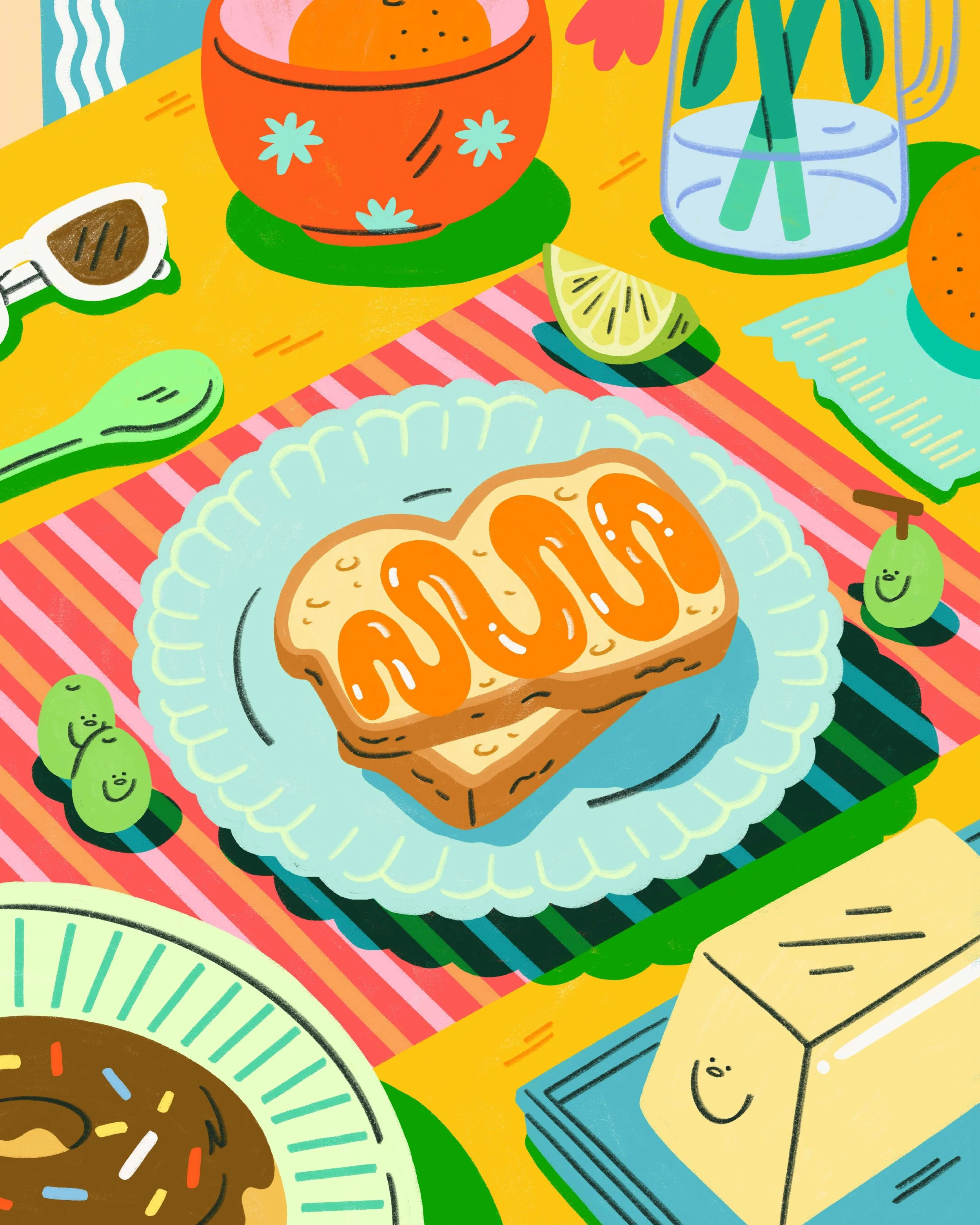
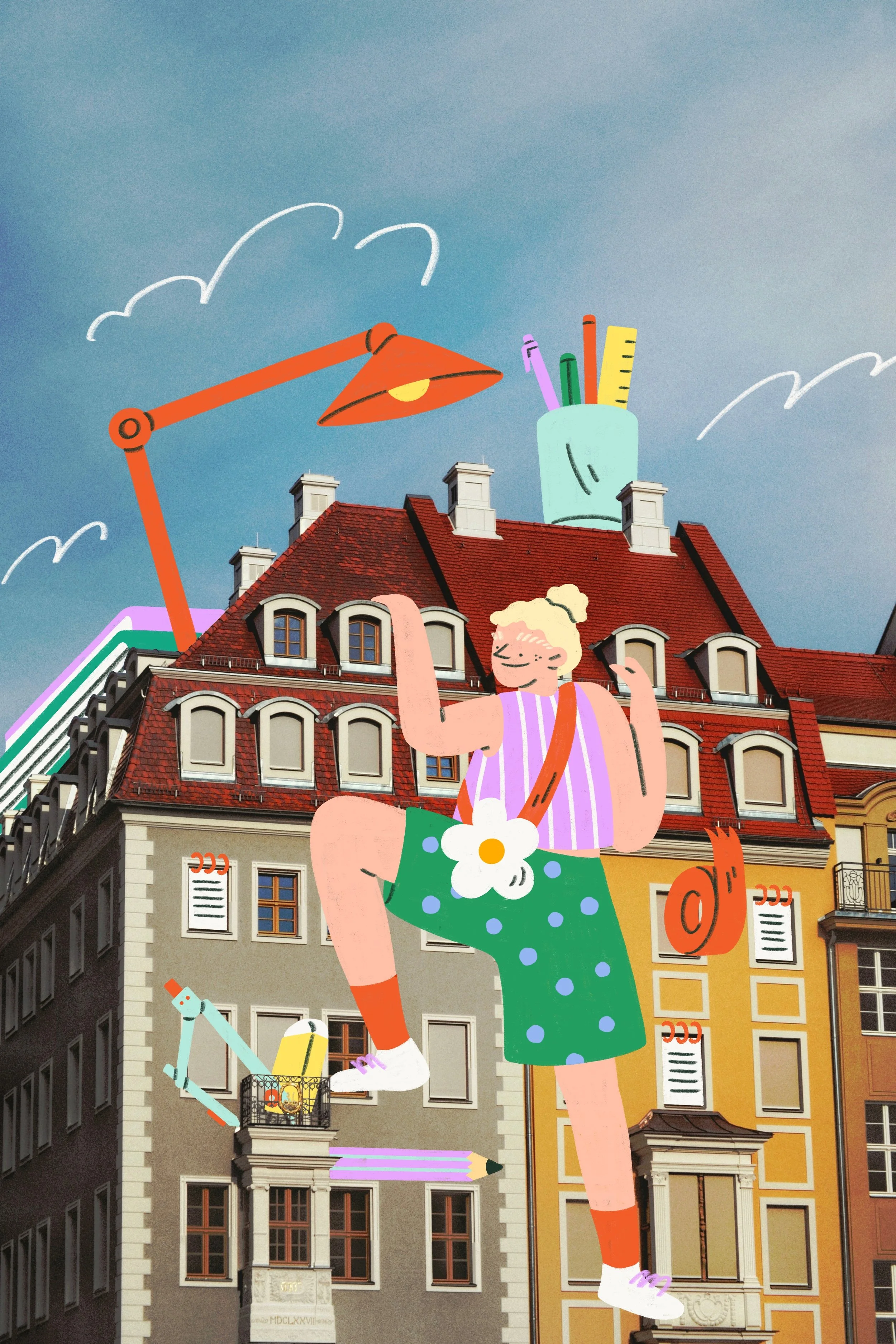
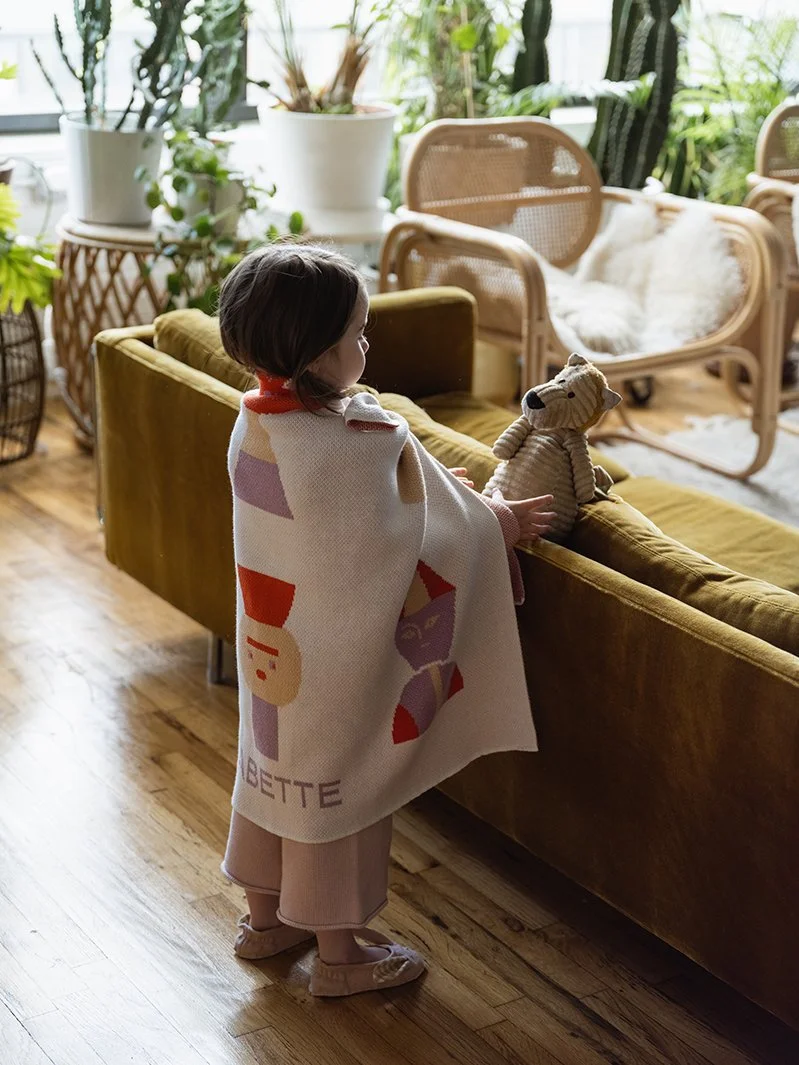
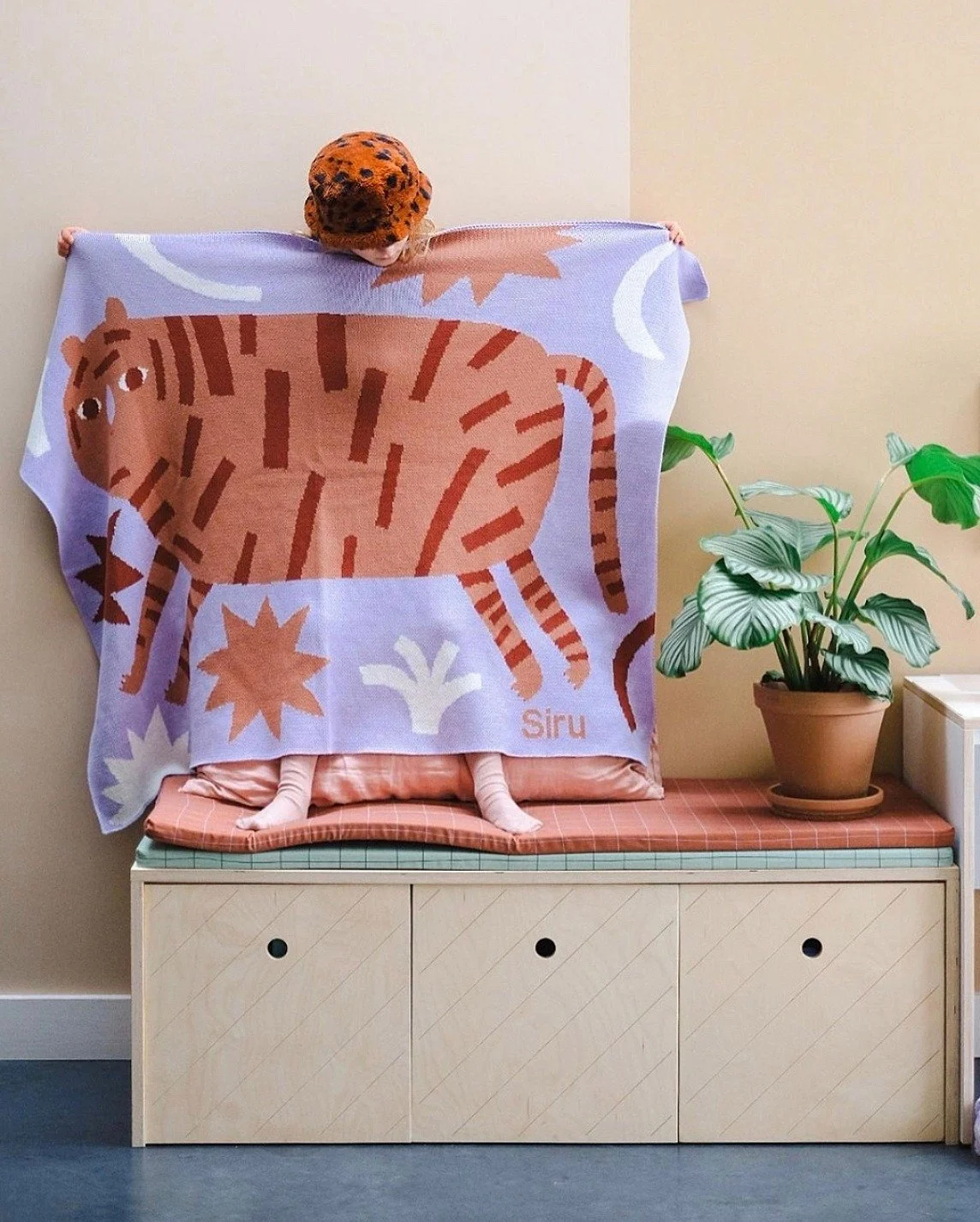
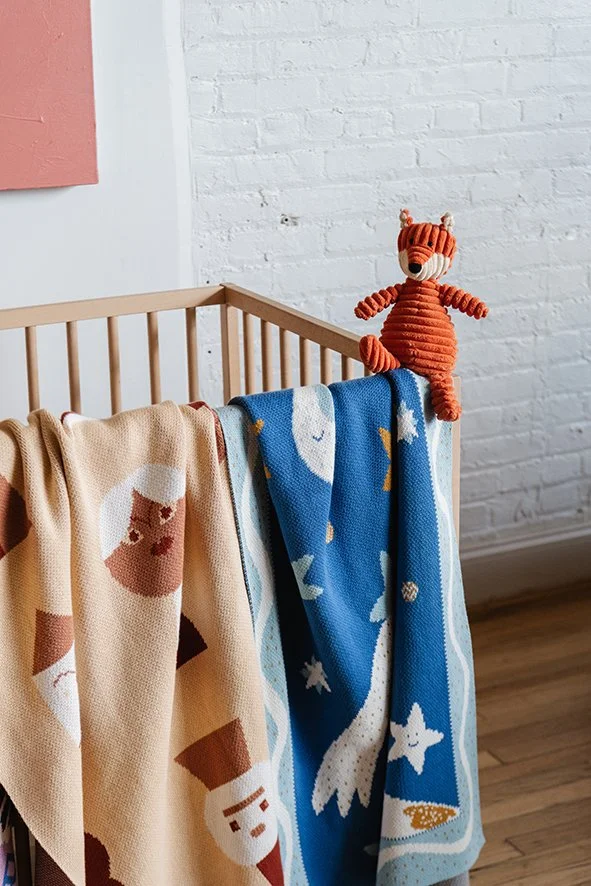
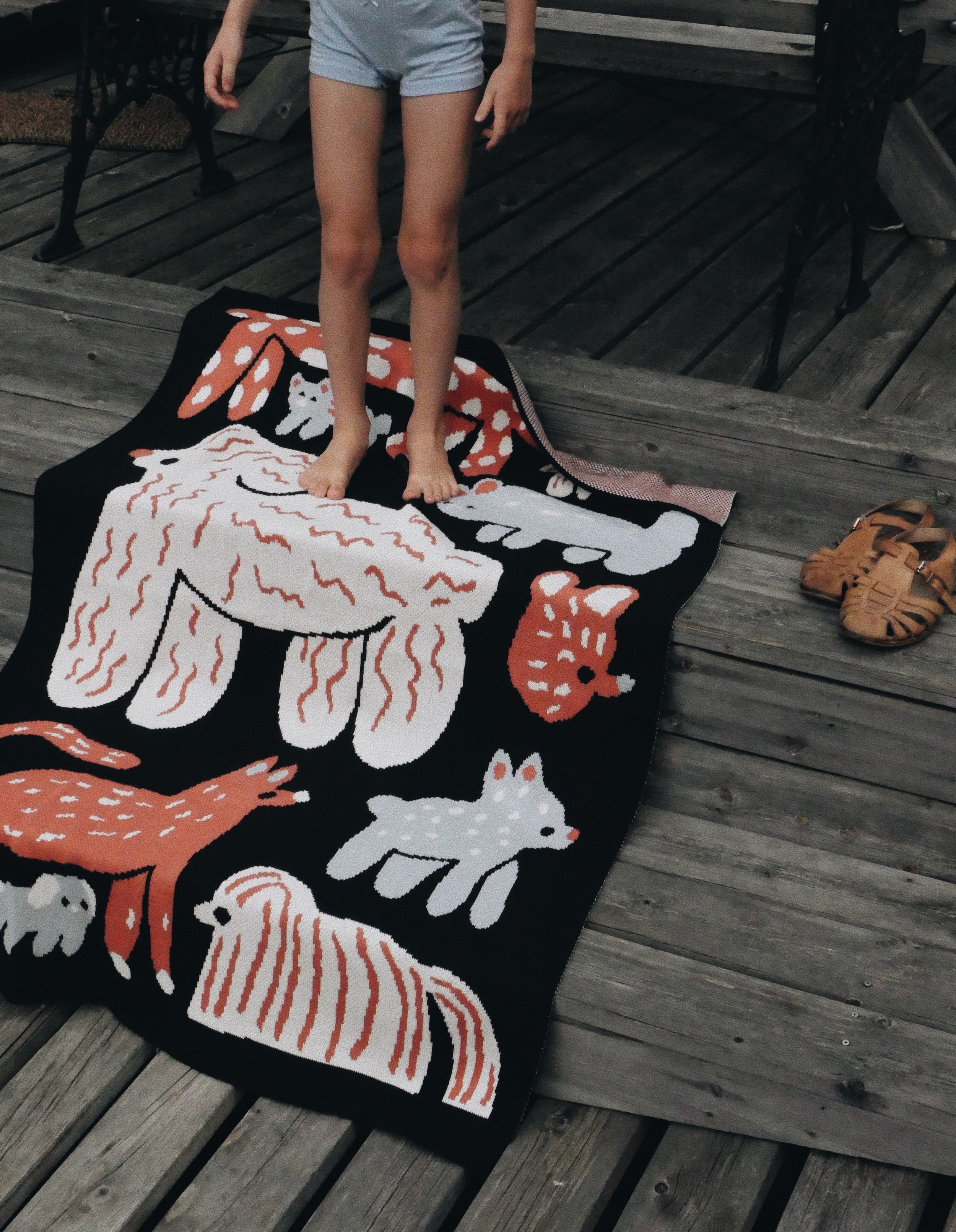
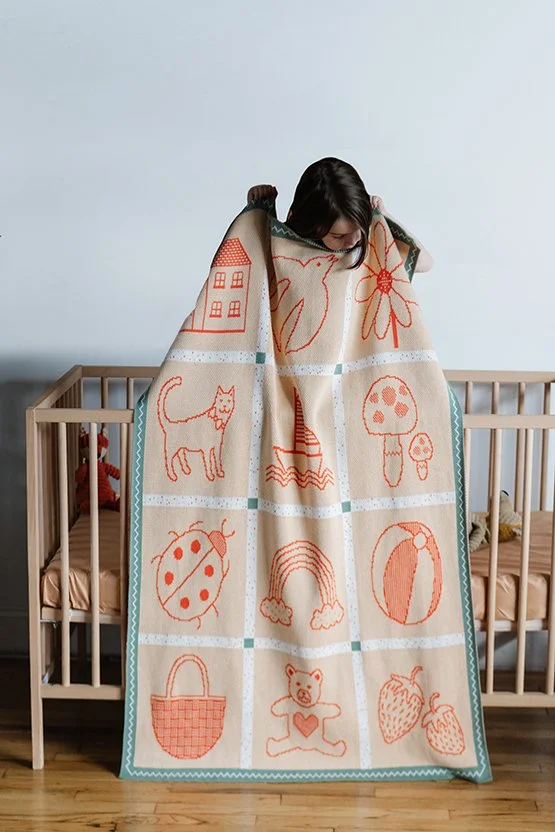
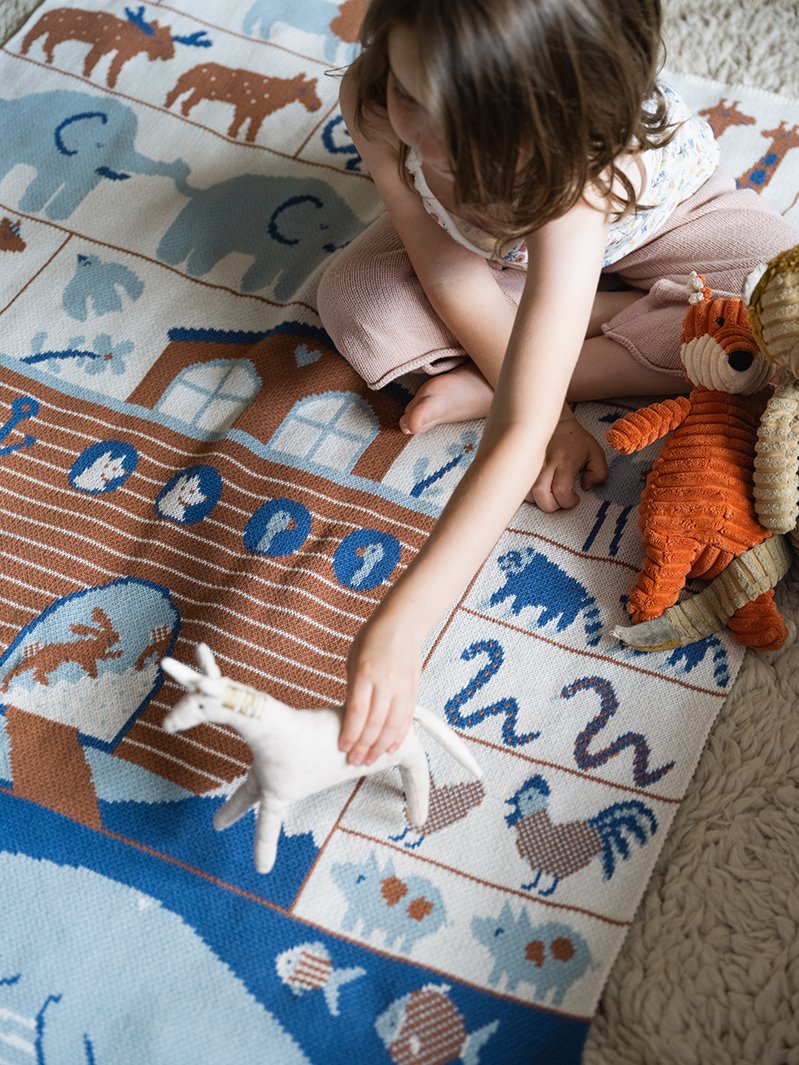
We recently came across Atelier Mave, a Berlin-based studio founded by illustrator Berry Aktuglu, and instantly fell in love with its joyful and expressive visual language.
Atelier Mave’s work sits at the intersection of illustration, storytelling, and surface design—where hand-drawn lines, gouache, and pastel tones come together to create playful, character-driven worlds. Each piece feels personal and vibrant, inspired by nature, travel, vintage markets, and childhood memories.
From textiles to stationery and home design, the studio’s approach is deeply versatile, yet always recognizable for its colorful and imaginative aesthetic. Collaborations with brands like Anthropologie and Maisonette further highlight its ability to translate artistic vision into everyday objects.
What resonates most with us at Unduetrestella is the way Atelier Mave bridges childhood and adulthood—creating a visual universe that feels both nostalgic and contemporary, playful yet refined.
A small discovery, full of color and inspiration.
CHILDREN TABLEWARE BY ZAUNKÖNIG®
Creating meaningful daily rituals starts with the objects we use. The Design Children’s Tableware collection by ZAUNKÖNIG® brings together aesthetics, functionality, and durability—redefining how children engage with food and the table.
Crafted with a focus on contemporary design and child-friendly usability, the collection includes plates, bowls, and cups designed to support independence while maintaining a refined visual language. Each piece balances ergonomics and minimalism, making it suitable for both children and design-conscious households. Materials are carefully selected to ensure safety, longevity, and ease of use, encouraging a tactile and intuitive experience. The result is tableware that not only withstands everyday use but also elevates it.
This collection reflects a thoughtful approach to childhood - where design plays an active role in shaping habits, autonomy, and sensory awareness. Explore the full range and discover how design can transform even the simplest daily gestures into moments of care and attention.
CONTINET OF PLAY BY 21ST EUROPE: REDESIGNING EUROPE THROUGH CHILDHOOD
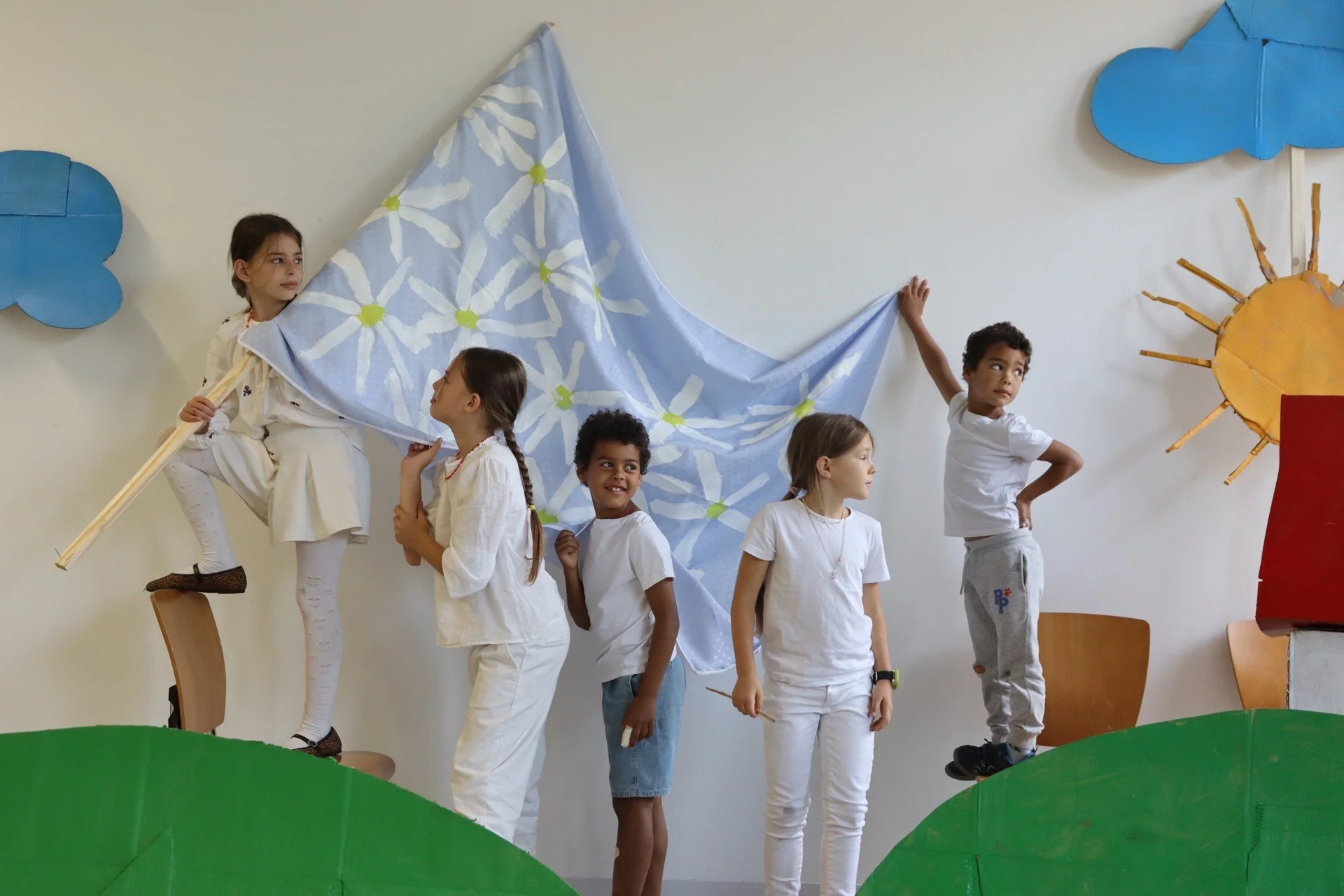
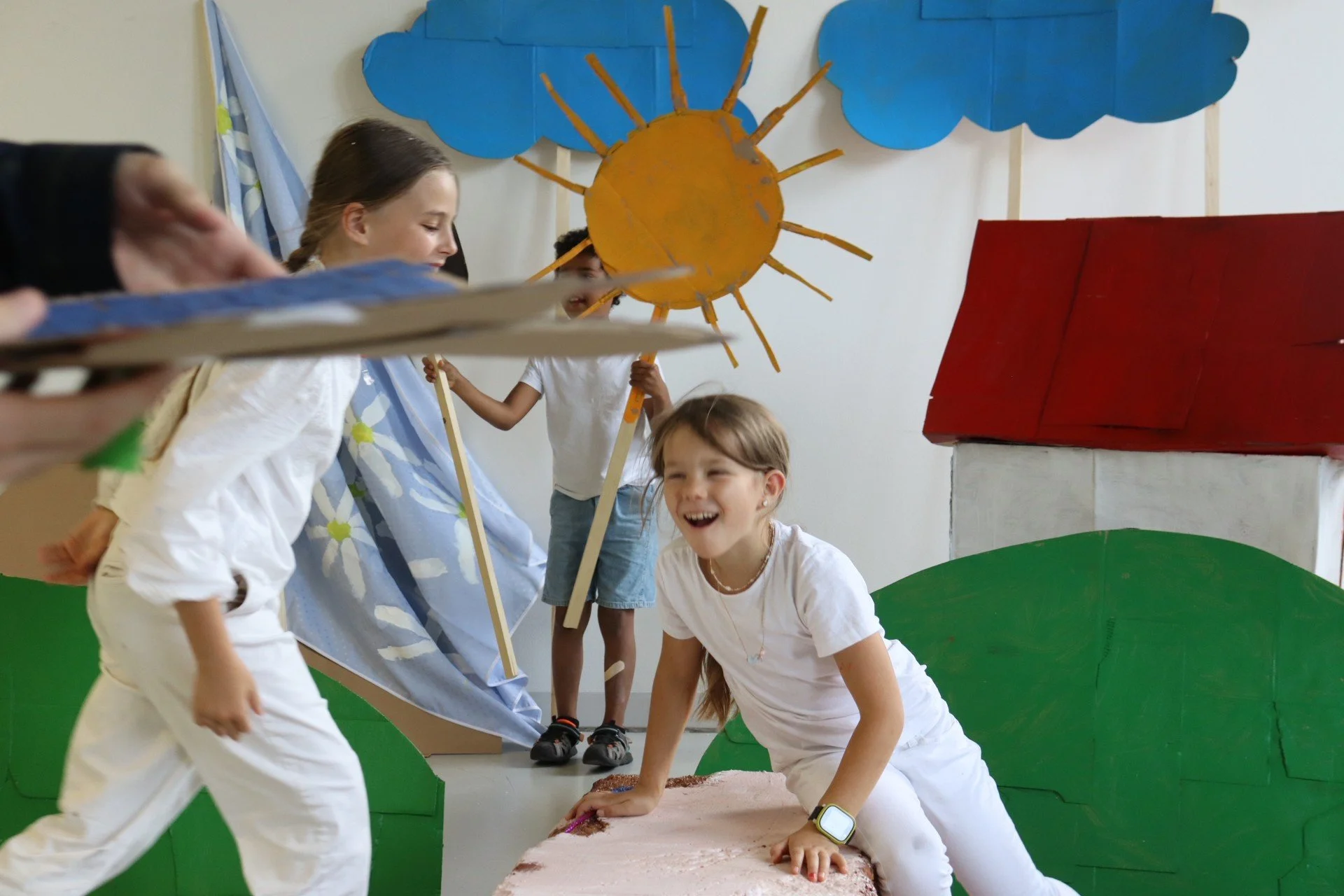
Continent of Play by 21st Europe reimagines playgrounds as a fundamental part of civic life. Not an accessory, but a true public infrastructure—as vital as mobility or energy systems.
The project proposes a Europe-wide network of spaces dedicated to play, designed to support children’s development while strengthening social connections and collective wellbeing. At its core lies a clear idea: investing in play means investing in healthier, more inclusive communities.
Conceived as a scalable and adaptable system, Continent of Play combines local materials with a shared vision, creating environments that respond to different contexts while building a common cultural landscape.
A powerful concept, where play becomes a driver of urban and social transformation.
IDIORYTHMIA BY STUDIO SMARIN AT MILAN DESIGN WEEK 2026
At Milan Design Week 2026, we discovered one of the most poetic installations of the season: Idiorythmia by Studio Smarin at Institut Français Milano.
Inspired by the idea of “living together, separately,” Idiorythmia explored how individuals can coexist while maintaining their own rhythms. Through light, sound, and minimal forms, the installation created a calm, almost meditative space—an invitation to slow down during one of the busiest design weeks of the year.
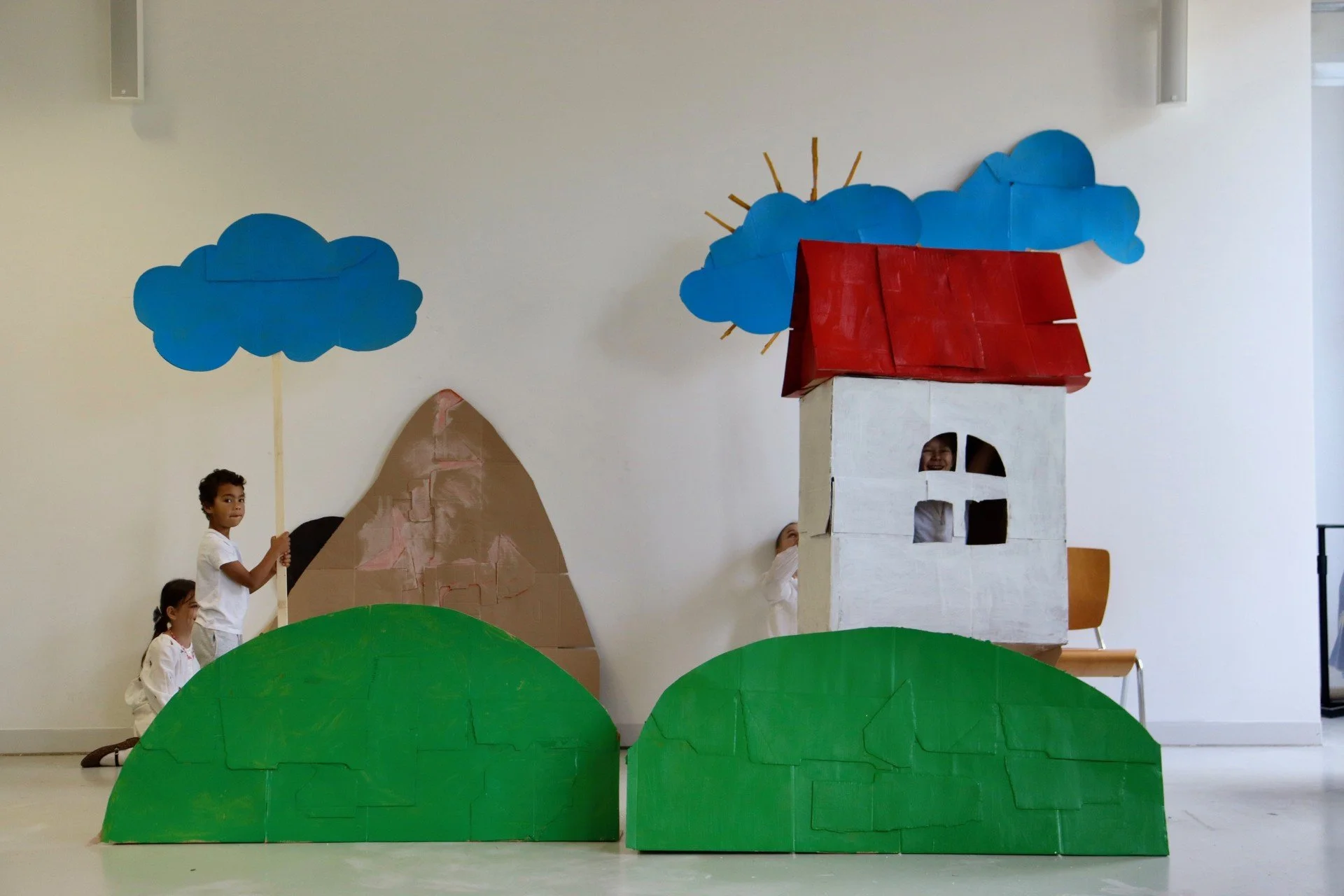
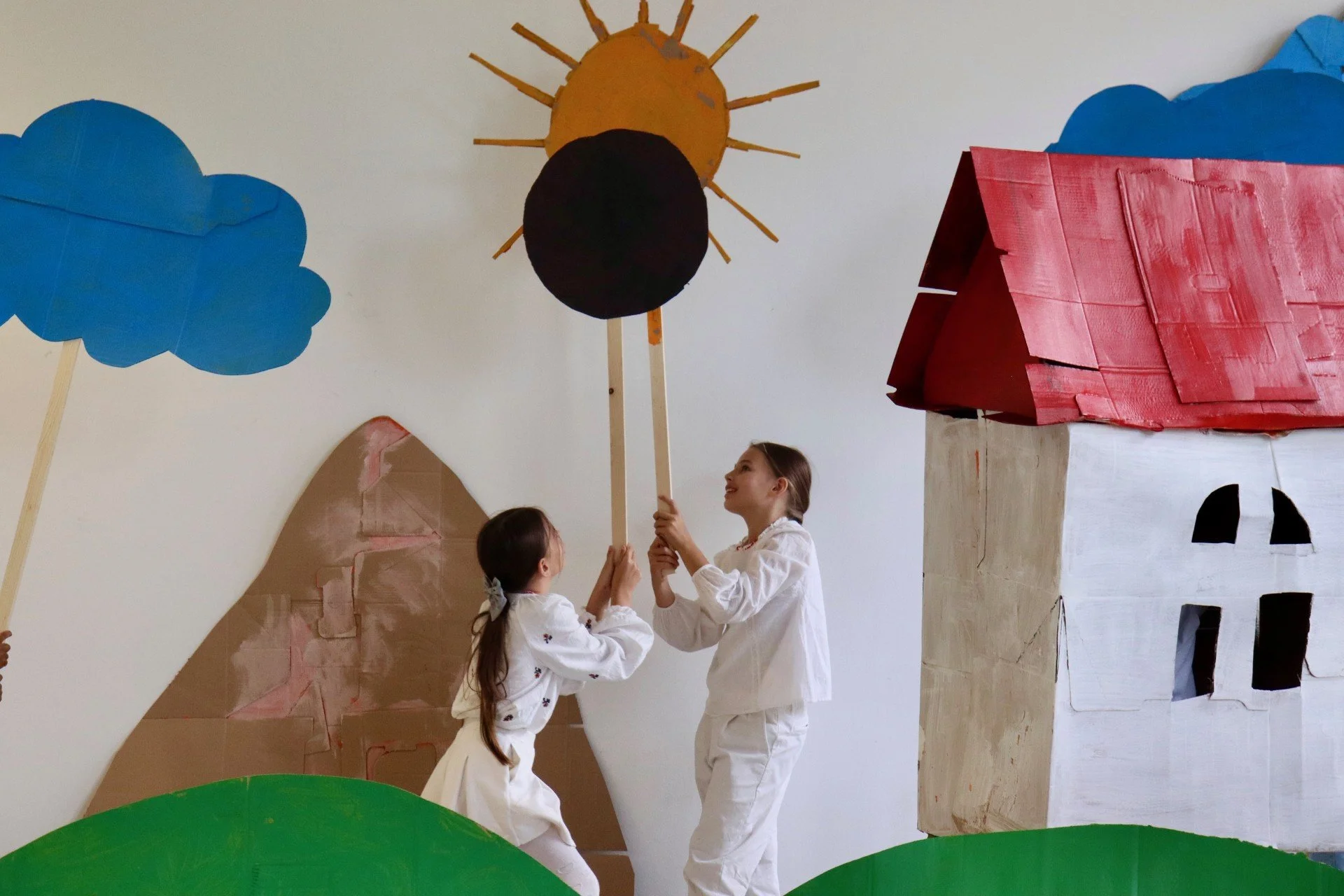
Among the elements that resonated most with our approach at Unduetrestella was the educational dimension connected to Ecoletopie, designed by Smarin. Conceived as a modular learning environment, Ecoletopie is a tool for teaching teams where students become active participants. Cork blocks, oak boards, and dynamic seating systems shape an open and evolving space that encourages proprioception, critical thinking, and collective intelligence.
In a week often defined by bold and immersive experiences, this project stood out for its subtlety and depth—while also offering a meaningful reflection on how design can support new educational models.
For us, it strongly aligns with how we imagine spaces for children and families: flexible, intuitive, and built around individual and collective growth.
Photo credit: Smarin Studio
MOON CHAIR BY WIGIWAMA
The Moon Chair by Wigiwama redefines children’s seating through a perfect balance of comfort, design, and imagination. Characterized by its distinctive crescent shape, this modular chair gently cradles the body, creating a cosy and secure space for reading, relaxing, or play. Its soft structure and three-piece composition encourage creativity, transforming a simple seat into an interactive element within the home.
Handmade in Europe using premium, certified materials, the Moon Chair combines durability with a refined aesthetic. Removable, washable covers and hypoallergenic foam make it a practical choice for everyday life, while its palette of contemporary colours allows it to blend seamlessly into modern interiors.
More than just a kids’ chair, it is a design-forward object that introduces a sense of style from an early age—where functionality meets a playful, architectural approach.
ECHOES BY KRISTINE FIVE MELVAER FOR VOLVER STUDIOS
The Echoes collection by Volver Studios is a poetic exploration of memory translated into design. Created by Norwegian designer Kristine Five Melvær, the series transforms intangible experiences into tactile, visual compositions. Each piece is defined by layered geometries, rhythmic patterns, and refined color contrasts, evoking the way moments, places, and emotions overlap in our minds. The result is a collection that feels both structured and deeply expressive. Handcrafted with premium materials and artisanal techniques, Echoes rugs combine material richness with conceptual depth. Subtle variations in texture and density enhance the perception of movement, turning each surface into a dynamic landscape. More than decorative elements, these pieces act as spatial narratives - designed to bring warmth, identity, and a sense of story into contemporary interiors.
CRAZY HORSE BY POLTRONOVA
Designed in 1968 by Ettore Sottsass, the Crazy Horse table by Poltronova returns today as a bold statement piece that perfectly bridges past and present.
Defined by a slender laminated top and four inclined painted metal legs, Crazy Horse embodies a striking contrast between geometric purity and dynamic tension. The legs - true protagonists of the design - create a sense of movement that transforms a simple table into an architectural gesture.
More than just furniture, Crazy Horse is a collectible design object. Its essential form, available in refined color combinations, adapts effortlessly to contemporary interiors while preserving its radical soul. Originally conceived during one of the most experimental periods of Italian design, it still feels актуаль and relevant today—proof that great design transcends trends.
Reissued in 2025, this iconic piece once again highlights the visionary approach of Sottsass and the enduring identity of Poltronova: creating objects that live between art and function.